

Table of Contents
- How to Choose a Silver Tissue Box Cover That Fits Your Space
- Dimensions and Tissue Box Fit Guide
- Brushed Silver Tissue Box Cover: The Low-Maintenance Finish
- Silver Mosaic Tissue Box Cover: Pattern, Texture, and Where It Works
- Square Silver Tissue Box Cover: Compact Styling for Tight Surfaces
- DIY Tissue Box Cover: When Crafting Beats Buying
- Material Trade-Offs and Long-Term Care
- Conclusion
- Frequently Asked Questions
Last Updated: October 7, 2026
How to Choose a Silver Tissue Box Cover That Fits Your Space
A silver tissue box cover is a small upgrade that changes how a whole room reads.

Most shoppers pick the prettiest pattern first. That is backwards.
Start With Fit, Not Finish
Fit comes down to two measurements: the tissue box itself and the opening on top. Standard facial tissue boxes sold in the United States vary more than people expect, so check before you buy. A generous opening handles most brands; a tight one locks you into a single box size.
Pull one box from your closet and measure its length, width, and height. That note saves you a return later.
Match the Cover to the Room, Not the Trend
Silver reads differently depending on where it sits. In a bathroom, a bright polished finish feels crisp and clean. In a bedroom or guest room, a softer matte silver settles in without shouting. In an office, a simple square shape keeps the desk organized.
Think about the room first, then the finish. Trends fade; a cover that suits the space stays useful.
Dimensions and Tissue Box Fit Guide
Getting the dimensions right takes about two minutes and prevents almost every disappointment. Measure the box, the opening on the cover, and the surface where it will sit.
Measure the Box, Then the Opening
A tissue box holder only works if the box slides in without force and the tissues pull out cleanly. Follow this order:
- Measure the length, width, and height of your current tissue box
- Check the interior dimensions listed on the cover
- Confirm the top opening is wide enough for a full tissue to pull through
An oval opening feeds tissues smoothly because the shape guides the sheet upward. A narrow slot can grab the tissue and tear it.
Standard Tissue Box Sizes and Cover Compatibility
Most facial tissue boxes sold in the United States fall into a few common formats. The table below shows typical exterior dimensions and which cover shapes fit. Always measure your specific box, because brands vary slightly.
| Box Format | Typical Exterior Size (L x W x H) | Common Boxes | Cover Shape That Fits | Watch For |
|---|---|---|---|---|
| Standard rectangular | About 9.5 in x 5 in x 3 in | Kleenex, Puffs, Up&Up | Rectangular | Cover interior must be at least 9.5 x 5 in |
| Cube | About 5 in x 5 in x 5 in | Kleenex Cube, Puffs Cube | Square or compact square | Opening must clear a 5 in width |
| Tall rectangular | About 9.5 in x 5 in x 4 in | Some boutique and lotion boxes | Tall rectangular | Height clearance; may look heavy on small tables |
| Pocket or travel | About 7 in x 4 in x 2 in | Travel packs | Compact rectangular | Often too small for standard covers |
A cover listed as fitting a standard rectangular box usually has interior dimensions around 9.5 x 5 x 3 inches. If the listing does not state interior dimensions, assume it fits only the most common box and measure before buying.
Square vs Rectangular: Which Shape You Actually Need
Square covers suit cube boxes and small surfaces. Rectangular covers fit standard boxes and work better on long tables or vanities. Neither is better; they solve different problems.
| Cover Shape | Fits | Best Surface | Watch For |
|---|---|---|---|
| Square | Cube tissue boxes | Nightstands, small shelves | Limited box compatibility |
| Rectangular | Standard tissue boxes | Vanities, consoles, desks | Needs more surface depth |
| Compact square | Cube boxes, tight spots | Bathroom counters | Smaller opening |
| Tall rectangular | Standard boxes | Guest rooms, offices | Can look heavy on small tables |
How to Check Fit Before You Buy
Use this quick checklist to avoid a return:
- Pull one tissue box from your closet and measure length, width, and height.
- Compare those numbers to the cover's listed interior dimensions.
- Measure the top opening; a full tissue should pull through without dragging.
- Measure the surface where the cover will sit; add at least one inch of clearance on each side.
- If the cover is for a humid room, confirm the material is sealed or rust-resistant.
A cover that fits properly lets you pull a tissue with one hand without the box lifting or the tissue tearing. If you have to hold the cover down with your other hand, the fit is wrong.
Brushed Silver Tissue Box Cover: The Low-Maintenance Finish
A brushed silver tissue box cover is the easiest finish to live with. The fine grain hides fingerprints, water spots, and light dust that shows up on anything glossy. Polished silver looks striking in photos but shows every smudge, while brushed and matte finishes trade a little shine for a lot of forgiveness, a trade worth making in a bathroom where splashes and damp hands are constant.
Silver Mosaic Tissue Box Cover: Pattern, Texture, and Where It Works
A silver mosaic tissue box cover turns a practical object into a small piece of table art. The pattern catches light and adds texture, making it a natural fit for a console table, a powder room, or a guest room where you want visual interest. Pattern has a cost, though: busy mosaics compete with patterned wallpaper, bold rugs, and heavily styled shelves.
Where it works best:
Unstructured Ceramic Silver Tissue Box Cover →
- Neutral bathrooms with plain tile or paint
- Guest rooms with simple bedding
- Entryway consoles against a plain wall
Where it fights the room:
- Patterned wallpaper at close range
- Shelves already crowded with decor
- Spaces with several other metallic accents
Square Silver Tissue Box Cover: Compact Styling for Tight Surfaces
A square silver tissue box cover solves a specific problem: small surfaces. Nightstands, bathroom counters, and narrow shelves do not have room for a long rectangular box, and a cube shape sits neatly in the space that is left. The trade-off is box compatibility, since square covers are built for cube tissue boxes, which are less common than standard rectangular ones.
DIY Tissue Box Cover: When Crafting Beats Buying
A DIY tissue box cover makes sense in a few specific situations. If you need a custom size, want to match an exact paint color, or enjoy the project itself, building one can beat shopping.
The honest case against it: materials add up, and a handmade cover rarely matches the clean lines of a finished piece. A ceramic or resin cover arrives ready to use and holds up to daily handling.
Choose DIY when:
- You need a non-standard size
- You want an exact color match
- You already own the tools and materials
Buy a finished cover when:
- You want it on the table today
- You need a durable, wipe-clean surface
- You would rather match a style than build one
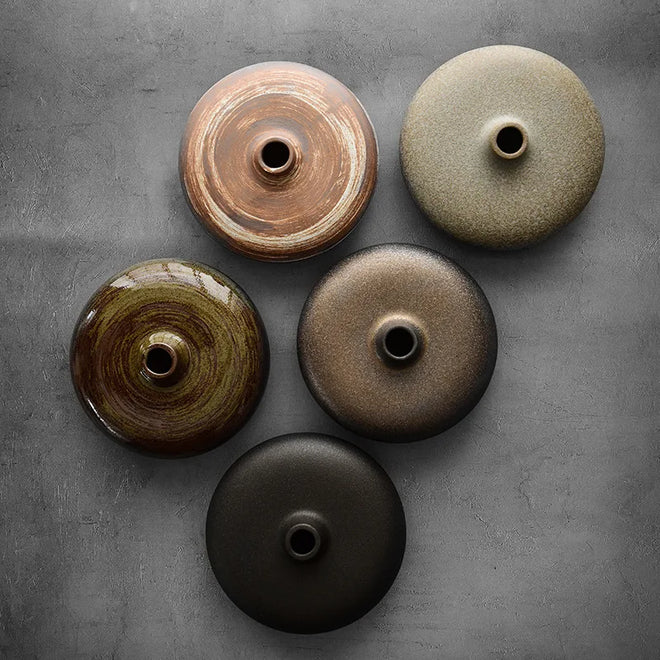
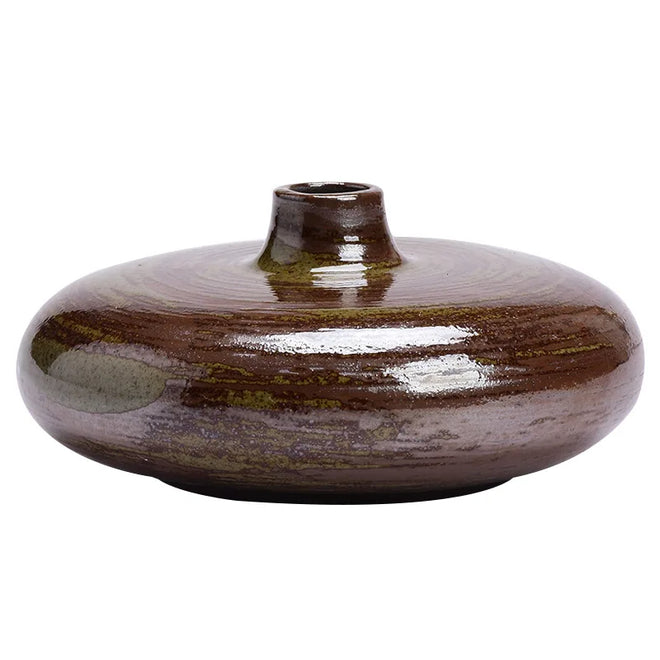
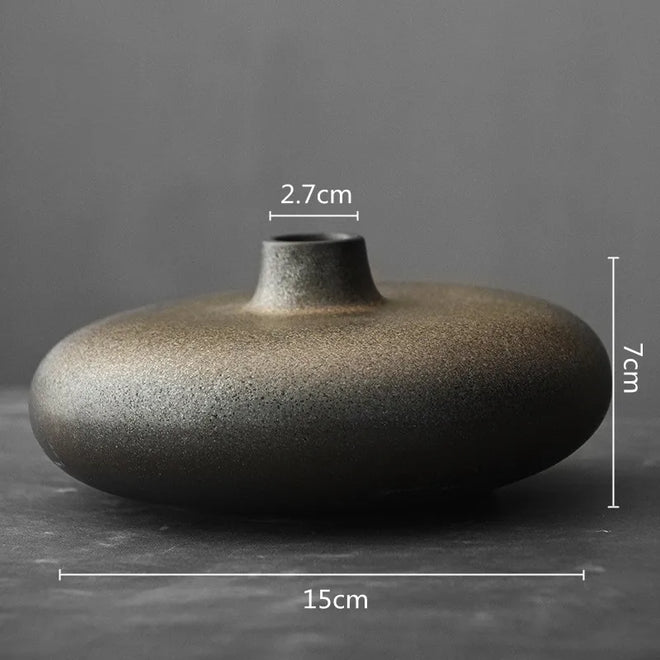
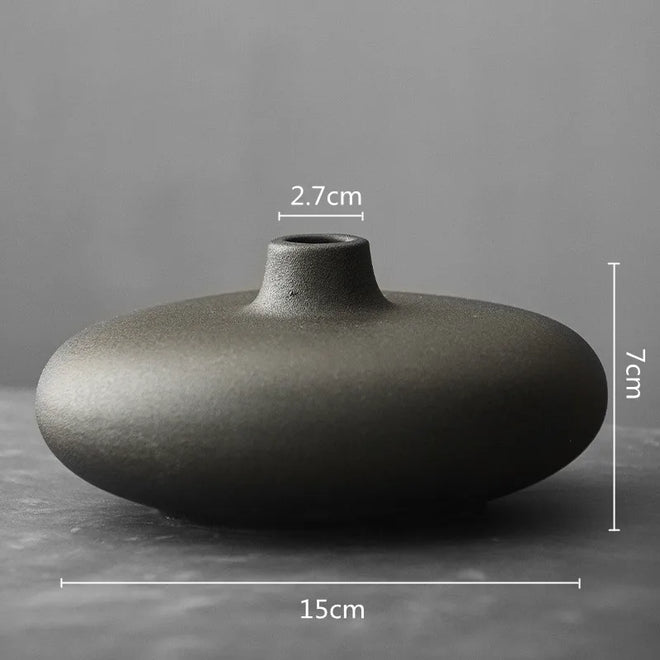
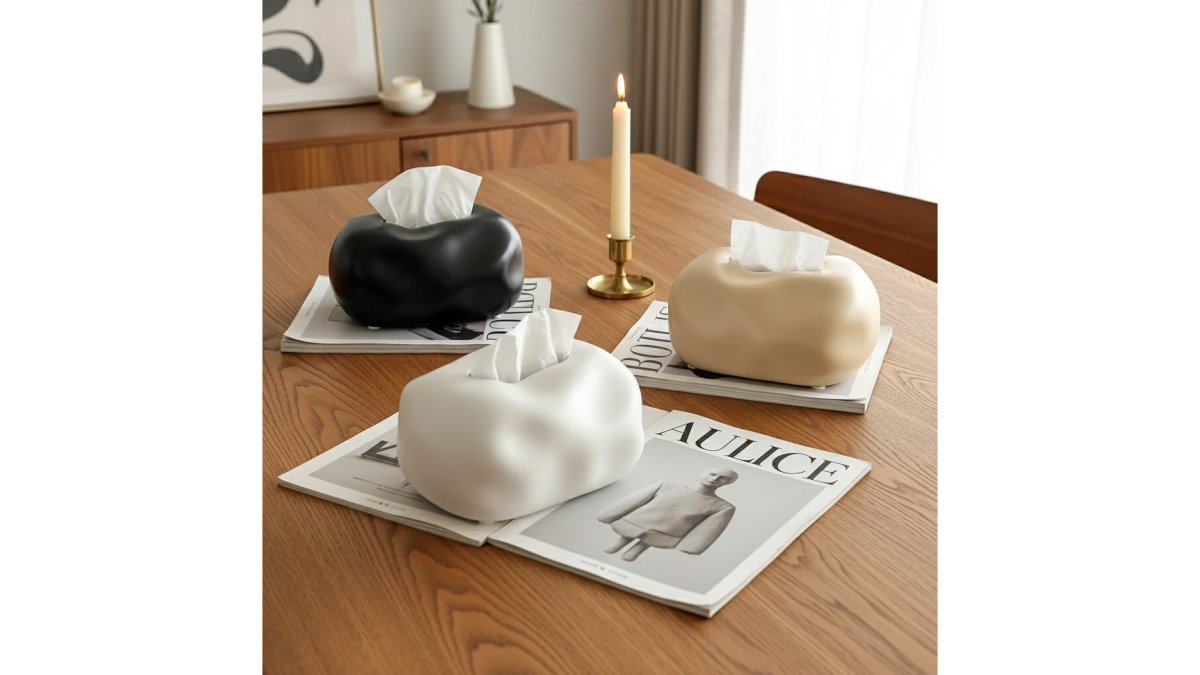
If you want a finished piece with a clean modern look, our Unstructured Ceramic Silver Tissue Box Cover is porcelain ceramic with a minimalist silhouette, built to sit on a dining table, console, or vanity and hold up to daily use.
Material Trade-Offs and Long-Term Care
Material decides how a cover ages, how it feels in the hand, and whether it belongs in a humid bathroom. The table below compares the most common silver cover materials on the factors that matter after the first month.
| Material | Weight | Durability | Rust Resistance | Cleaning | Best For | Watch For |
|---|---|---|---|---|---|---|
| Porcelain ceramic | Heavy | High; chips if dropped | High | Damp cloth wipe | Dining tables, consoles, vanities | Can crack on hard floors |
| Resin | Light | Moderate | High | Damp cloth, no solvents | Budget setups, guest rooms | Cheaper resin can yellow over time |
| Metal (brushed) | Medium to heavy | High | Moderate to high; depends on coating | Soft cloth, dry immediately | Offices, modern rooms, bathrooms | Polished versions show fingerprints |
| Metal (polished) | Medium to heavy | High | Moderate; may spot in humid air | Soft cloth, dry immediately | Low-humidity rooms | Water spots and smudges show easily |
| Wood | Medium | Moderate | Low in humid rooms | Dry dust only | Warm, traditional rooms | Swells or warps with moisture |
Which Material Belongs in a Bathroom?
Bathrooms are the hardest room for any cover. Steam, splashes, and damp hands test every finish. Here is how the common materials hold up:
- Porcelain ceramic: The best choice for humid rooms. It does not rust, does not absorb water, and wipes clean. The trade-off is weight and the risk of chipping if dropped on tile.
- Brushed metal: A strong second. The grain hides water spots, and most brushed finishes resist rust better than polished ones. Dry it after wiping to keep the finish even.
- Polished metal: Looks striking but shows every splash. In a bathroom, plan on wiping it more often, or choose brushed instead.
Care Rules That Apply to Every Material
A cover that gets a ten-second wipe once a week will outlast one that gets scrubbed twice a year. These rules work for ceramic, resin, metal, and wood:
- Wipe with a soft, damp cloth, then dry immediately
- Skip abrasive pads, ammonia cleaners, and solvents
- Keep covers out of standing water, especially metal and wood
Long-Term Maintenance by Material
- Porcelain ceramic: Inspect the rim and opening for chips. A small chip can be smoothed with fine sandpaper, but a crack means replacement.
- Brushed metal: Re-buff with a soft cloth if the grain looks dull. Avoid metal polishes, which can fill the grain and create a patchy shine.
- Polished metal: Use a microfiber cloth and a drop of mild dish soap in water. Dry immediately to avoid spots.
A silver tissue box cover is a small purchase, but the material you choose determines whether it looks new in five years or gets replaced in one. Match the material to the room first, then to your cleaning habits.
Conclusion
The hardest part of buying a silver tissue box cover is not the shopping, it is the measuring. Get the box size and opening right, match the finish to the room, and the rest falls into place.
At The Finishing Touch Decor, LLC, we stock decor accents that make a room feel finished without a renovation. Our collection spans French Country, Coastal, Bohemian, and Contemporary styles, and every order over $50 ships free.
Frequently Asked Questions
What size tissue box fits a standard tissue box cover?
Most standard facial tissue boxes sold in the U.S. run about 9 to 10 inches long, 5 inches wide, and 3 inches tall, but brands vary. Measure your box before buying any cover. A square silver tissue box cover usually fits cube-style boxes, while rectangular covers suit the longer boxes. Check the product listing's stated dimensions against your box, and confirm the opening is large enough for the first tissue to pull through without tearing.
What is the difference between brushed silver and polished silver tissue box covers?
Brushed silver has a soft, matte grain that hides fingerprints and water spots, which makes it easier to keep looking clean in a bathroom or guest room. Polished silver is mirror-smooth and reflects more light, so it reads as more formal but shows smudges faster. If you want low maintenance, brushed silver is the practical pick. If you want a dressier look on a dining table or entryway console, polished can work, as long as you wipe it down regularly.
How do you clean a silver-finish tissue box cover?
Wipe it with a soft, damp cloth and dry it right away to avoid water spots. Skip abrasive sponges, scouring powders, and ammonia-based cleaners, which can dull a metallic finish or scratch a textured pattern. For mosaic or embossed designs, use a soft brush or a cotton swab to reach into the grooves. Resin and ceramic covers should never go in the dishwasher. A quick weekly wipe keeps a silver tissue box cover looking new for years.
Are tissue box covers outdated?
No. They have moved from formal powder rooms into everyday rooms as tabletop decor. A silver tissue box cover works as a small accessory on a nightstand, office desk, or living room side table, hiding the cardboard box while adding a finished look. The key is matching the finish and shape to the room. A brushed or textured silver cover fits modern and coastal decor, while an ornate filigree design suits traditional or French Country spaces.