

Table of Contents
- Why Designer Rugs Cost So Much (And What You're Actually Paying For)
- Affordable Area Rugs That Look Expensive: What Separates Them From Cheap-Looking Ones
- Rug Material Guide for High-Traffic Areas
- How to Style a Room With an Affordable Rug
- Rug Longevity and Wear-Testing: How to Spot Quality Before You Buy
- Ethical and Sustainable Sourcing: What to Look For Beyond the Price Tag
- Conclusion
- Frequently Asked Questions
Last Updated: September 13, 2026
Why Designer Rugs Cost So Much (And What You're Actually Paying For)
Walk into any high-end showroom and you'll see area rugs priced like furniture. A large hand-knotted wool rug can run several thousand dollars before you've bought a single chair to put on it. The Finishing Touch Decor, LLC exists because that math never made sense for most homes.
So where does the money go? Part of it is genuine craft. A hand-knotted rug takes a skilled weaver weeks or months to finish, and knot-by-knot construction is slow by design. Part of it is brand markup: licensing a famous name, paying for flagship retail space, and funding national ad campaigns. And part of it is simple scarcity, since limited production runs let sellers hold prices high.
The good news is that the visual qualities people actually notice, texture, pattern, and color, don't require the same budget. The Federal Trade Commission's textile and wool labeling rules require sellers to disclose fiber content and country of origin, which means the spec tag on a budget-friendly rug tells you almost as much as the price tag on a luxury one. Understanding what drives cost is the first step toward finding alternatives to expensive designer rugs that hold up in real rooms.
Affordable Area Rugs That Look Expensive: What Separates Them From Cheap-Looking Ones
The difference between a rug that reads as luxe and one that reads as thin and flat comes down to construction, not price. Affordable area rugs that look expensive share a few measurable traits: dense weave, a pile height that suits the room, and a pattern that isn't stretched or pixelated across the surface.
Weave Density and Pile Height: The Two Specs That Decide Everything
Weave density is the number of knots or stitches packed into a square inch; higher density means a crisper pattern and better durability. Pile height is how tall the fibers stand above the backing, and it changes both feel and function.
Low-pile rugs (under half an inch) suit entryways, dining rooms, and anywhere doors need to clear. Plush, high-pile rugs feel luxurious underfoot but trap more debris. A flat-woven jute or a low-profile polypropylene rug can look just as refined as a thick wool one, provided the pattern is sharp.
Hand-Knotted vs. Hand-Tufted vs. Machine-Made
Hand-knotted rugs are woven knot by knot on a loom, which is why they cost the most and last the longest. Hand-tufted rugs use a tool to punch yarn through a backing, a faster process that still allows detailed patterns. Machine-made rugs are produced on power looms and dominate the budget market.
Here's the part most guides skip: a well-made machine rug with a tight weave will outlast a loosely made hand-tufted one. Construction quality matters more than the label on the method.
| Construction | Typical Feel | Durability | Best For |
|---|---|---|---|
| Hand-knotted | Dense, firm | Highest | Heirloom pieces, low traffic |
| Hand-tufted | Plush, soft | Moderate | Bedrooms, living rooms |
| Machine-made | Varies by weave | Good when dense | High-traffic areas, budget |
Rug Material Guide for High-Traffic Areas
Material choice decides how a rug ages under real use. A rug material guide for high-traffic areas should start with one question: how much foot traffic and moisture will this floor covering actually see?
Natural Fibers: Jute, Sisal, and Wool
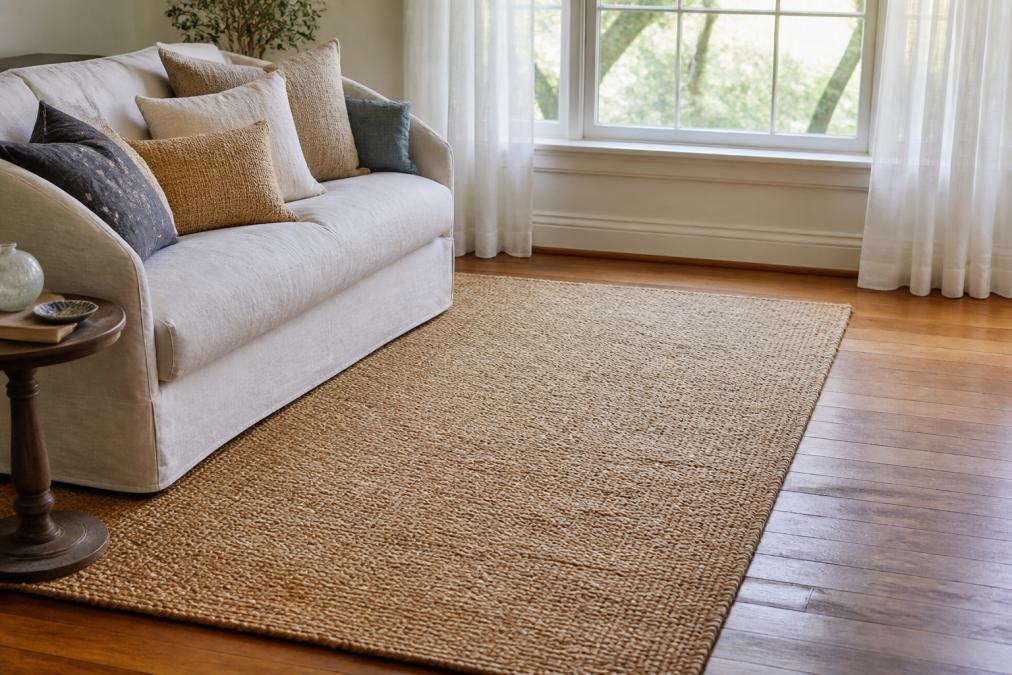
Jute and sisal are plant-based fibers with a natural, earthy texture that fits bohemian and coastal interiors. They're durable and affordable, but they don't love moisture, so keep them out of bathrooms and damp basements. Wool is the gold standard for resilience: it resists crushing, cleans up well, and holds dye beautifully. A hand-woven chunky braided jute rug, for example, brings that basketweave texture and bohemian warmth to a living room without the designer price.

Synthetic Fibers: Polypropylene, Polyester, and Recycled PET
Polypropylene (often called olefin) is the workhorse of budget rugs. It's stain-resistant, colorfast, and handles high-traffic areas like hallways and playrooms. Polyester feels softer and takes vibrant dye well, which suits geometric pattern and oriental style designs. Recycled PET, made from reclaimed plastic bottles, offers a sustainable option with surprising durability.
How to Style a Room With an Affordable Rug
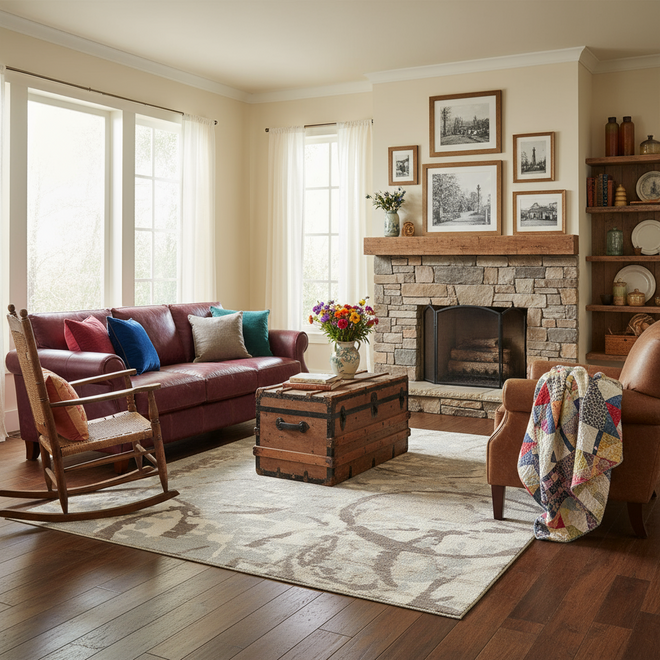
Styling is where a budget rug earns its keep, but the styling advice that actually holds up over time is mechanical, not aesthetic. The trick is treating the rug as the room's foundation, then layering texture and color on top of it in ways that also protect the rug from wear.
Sizing Rules That Do the Heavy Lifting
A rug that's too small makes any room feel cramped, no matter what it cost. The standard furniture-leg rule most interior designers use: in a living room, the front legs of every major seating piece should sit on the rug, and the rug should extend at least 6 to 8 inches beyond the sofa on each side. In a dining room, the rug should extend 24 inches past every edge of the table so chairs stay on the rug when pulled out. In a bedroom, a rug should extend 18 to 24 inches past each side of the bed, or run two-thirds of the way down from the headboard. These aren't style preferences; they're the dimensions that keep a rug from looking undersized.
Layering Without Creating Trip Hazards
Layering a smaller patterned rug over a large plain jute or sisal base is the single most reliable way to get a designer look on a budget. The base rug should be at least 2 feet larger on every side than the top rug, and the top rug should be thin, a flat-weave, a kilim, or a low-pile vintage-style piece. A thick top rug over a thick base creates a lip that catches feet and vacuum cleaners. Use a thin, low-profile rug pad under the top layer only; a second full pad under the base is usually overkill and adds height.
Color, Fringe, and the Details That Read as Expensive
Start by choosing a rug color palette that echoes two or three tones already in the room. A neutral beige or grey base gives you room to add fringe details, a patterned throw pillow, or a woven basket for textural depth. Fringe is a small detail that signals hand-finishing, but it also snags, keep fringed rugs out of hallways and entryways where shoes and bags drag across them. If you want the designer look without the maintenance, choose a rug with a bound or serged edge instead.
Styling for Renters and High-Traffic Rooms
For renters, an area rug is the rare decor upgrade that moves with you. It defines a living zone without touching a single wall. In high-traffic rooms, style around the traffic pattern: keep the rug's densest, darkest area where feet actually land (in front of the sofa, at the foot of the bed), and let lighter, more decorative zones sit where they won't be walked on daily. Rotate the rug 180 degrees every 6 to 12 months so sun fade and foot traffic wear evenly instead of concentrating on one end.
Rug Longevity and Wear-Testing: How to Spot Quality Before You Buy
Most buying guides ignore longevity, which is exactly where cheap rugs betray you. Wear-testing a rug before purchase is mostly about reading specs and doing one simple hand test.
Run your palm across the surface. If fibers shed immediately or the pile flattens and stays flat, the rug won't hold up. Check the pile height against the room: a low, dense pile survives high-traffic areas far better than a tall, loose one. Look for a rug pad recommendation too; a pad reduces slippage and extends the life of any floor covering.
Ethical and Sustainable Sourcing: What to Look For Beyond the Price Tag
Sustainability in rugs is more than a marketing phrase, and it's an angle most budget roundups skip entirely. The two issues that matter most to budget shoppers, material toxicity and ethical labor, are also the two that are hardest to verify from a product page. Here's how to read the signals that actually mean something.
Material Toxicity and Off-Gassing: What the Smell Actually Is
New synthetic rugs can carry a faint chemical smell from dyes, latex adhesives, and stain-resistant finishes. That smell is off-gassing, volatile organic compounds (VOCs) releasing into the air, and it's strongest in the first days after unrolling. The U.S. Environmental Protection Agency's guidance on indoor air quality and VOCs notes that VOC levels indoors can be several times higher than outdoors, and that new furnishings are a common source.
For bedrooms and kids' rooms, the practical playbook is:
- Look for low-VOC or no-added-formaldehyde language on the spec sheet. If a manufacturer doesn't mention it, assume it isn't tested.
- Choose natural or recycled fibers where possible. Wool, jute, sisal, and recycled PET (made from reclaimed plastic bottles) sidestep most latex-adhesive and stain-treatment concerns.
- Air out a new rug for 2 to 3 days in a garage, covered porch, or well-ventilated room before placing it in a closed bedroom. The smell fades fastest with airflow and warmth.
- Avoid "stain-resistant" and "antimicrobial" claims on rugs for nurseries. Those finishes are the most common source of the chemical smell people complain about.
Ethical Sourcing: Labels That Carry Weight
The rug industry has a well-documented history of child labor and unsafe dyeing practices in some producing regions, which is why third-party certification matters more here than in most home categories. The labels worth looking for on a budget rug:
- GoodWeave, a certification specifically for rugs, focused on eliminating child labor in weaving communities. It appears on both handmade and some machine-made lines.
- OEKO-TEX Standard 100, tests finished textiles for harmful substances, including dyes and formaldehyde. Common on European-made and some imported rugs.
- Global Recycled Standard (GRS), verifies the recycled content claim on PET and other recycled-fiber rugs, so "made from recycled bottles" is auditable rather than a slogan.
- Fair Trade Certified, less common in rugs than in apparel, but where it appears it covers labor and environmental standards.
If a product page makes a sustainability claim with no third-party label behind it, treat it as marketing. The Federal Trade Commission's Green Guides set the rules for how environmental claims can be made in advertising, and vague terms like "eco-friendly" without qualification are exactly the kind of claim the guides are designed to discourage.
The Budget Reality
Certified rugs usually cost more than uncertified ones at the same size and material, often 10 to 30 percent more, because certification carries audit and licensing fees. The trade-off is worth it in bedrooms and kids' rooms, where off-gassing exposure is longest. In a low-traffic hallway or a covered porch, an uncertified recycled PET or natural jute rug is a reasonable compromise. The point isn't to buy only certified rugs; it's to know which claims are verifiable and which are just words on a listing.
Conclusion
Finding alternatives to expensive designer rugs comes down to reading construction, not price. Dense weave, the right material for the traffic, and smart styling get you the luxury aesthetic without the luxury invoice. The Finishing Touch Decor, LLC curates rugs across French Country, Coastal, Bohemian, and Contemporary styles, with free shipping on orders over $50, so you can define a room and still afford the rest of it. Shop now and build the space you actually want.
Frequently Asked Questions
How can I tell if a rug is good quality without the designer price tag?
Flip the rug over and check the backing. A dense, tight weave with a high knot or stitch count per square inch signals durability. Bend a corner: a quality rug springs back without leaving a visible crease. Look for even dye distribution, straight edges, and a consistent pile height. Material matters too. Wool and jute hold up well, while a dense polypropylene weave resists crushing in high-traffic areas. These checks apply whether a designer rug costs thousands or a budget-friendly one costs a few hundred.
What are the best materials for affordable, durable area rugs?
For high-traffic rooms, polypropylene and recycled PET fibers offer strong stain and wear resistance at a low price point. Jute and sisal bring natural texture and handle foot traffic well, though they feel rougher underfoot. Wool costs more but lasts decades with proper care. A practical approach is matching material to room: synthetic blends for hallways and dining areas, jute or wool for living rooms where comfort matters. Each option delivers a different balance of price, feel, and longevity.
How do I style a budget-friendly rug to make it look expensive?
Layer a flat-weave jute or sisal rug underneath a smaller patterned rug for depth and a designer look. Choose a size that fits the room: at least 6 inches of rug should extend beyond each side of your sofa, or the front legs should sit on the rug. Stick to a cohesive color palette drawn from your existing furniture. Add a quality rug pad to prevent slipping and reduce wear. Fringe details and hand-tufted textures also read as higher-end without a designer price.
What is the difference between a machine-made and a hand-knotted rug?
A hand-knotted rug is made on a loom by tying individual knots, a process that can take months and produces a dense, long-lasting floor covering. Machine-made rugs are produced on power looms in hours, which keeps costs low and allows consistent geometric patterns and custom sizing. Hand-tufted rugs sit in between: a tufting gun pushes yarn through a backing, then the pile is sheared. For most budget-conscious buyers, a well-made machine rug delivers strong durability and style at a fraction of hand-knotted pricing.
Where can I find ethical alternatives to mass-produced designer rugs?
Look for brands that disclose material sourcing and manufacturing locations. Rugs made from recycled PET or sustainable jute reduce environmental impact. Check product pages for statements about chemical content, such as "no high-concerned chemicals," which addresses off-gassing concerns. Smaller curated retailers often provide more transparency than large mass-market chains. Ask directly about lead times and artisan partnerships if the information isn't listed, since ethical sourcing usually means longer production windows but better working conditions.
The challenge with budget decor is that "affordable" so often means "looks it." It doesn't have to. The Finishing Touch Decor, LLC offers a curated collection of rugs, throw pillows, vases, and wall art, spanning French Country, Coastal, Bohemian, and Contemporary styles, all backed by free shipping on orders over $50. Get started with The Finishing Touch Decor, LLC and create a home that looks curated, not compromised.