

Table of Contents
- The Most Popular Interior Design Style Right Now
- Minimalist vs Maximalist Decor: Which One Is Winning
- How to Mix Interior Design Styles Without the Clash
- Scandinavian, Japandi, and Midcentury Modern: The Core Styles
- Boho, Industrial, and Farmhouse: Styles That Still Sell
- Affordable Home Decor Ideas for Any Style
- Frequently Asked Questions
Last Updated: September 26, 2026
The Most Popular Interior Design Style Right Now
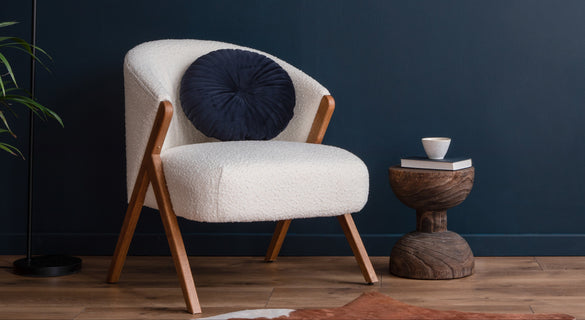
Warm minimalism is the most popular interior design style now, and it is not the cold, gallery-white look people picture when they hear the word minimal. According to Zillow's 2026 home trends research, buyers increasingly favor warm, layered interiors over stark modernism, and search interest in cozy, neutral rooms keeps climbing. At The Finishing Touch Decor, LLC, we see the same shift in what people actually buy: textured rugs, ceramic lamps, and soft earth tones instead of chrome and glass.

Why Warm Minimalism Is Leading in 2026
The appeal is psychological as much as visual. After years of busy, high-contrast interiors, homeowners want rooms that feel calm but not sterile.
A few forces drive this:
- Comfort over display. People want spaces that function for daily life, not showrooms.
- Neutral palettes with depth. Cream, beige, and earth tones replace flat gray.
- Texture does the work. Boucle, linen, ceramic, and wood add interest without color noise.
- Sustainability. Buyers favor fewer, longer-lasting pieces over disposable trend items.
Minimalist vs Maximalist Decor: Which One Is Winning
Minimalism is winning in the mainstream, but maximalism is not losing, it is specializing. Most homes land in the middle, leaning minimal in structure and maximal in accents.
| Factor | Minimalist | Maximalist | Best For |
|---|---|---|---|
| Color | Neutral palette, earth tones | Bold, layered color | Minimalist: small rooms |
| Texture | Organic materials, subtle | Mixed patterns, rich textiles | Maximalist: large rooms |
| Clutter | Clutter-free, curated | Curated but dense | Minimalist: renters |
| Cost | Lower, fewer pieces | Higher, more pieces | Minimalist: budgets |
How to Mix Interior Design Styles Without the Clash
The trick to mixing interior design styles is picking one dominant style and letting a second play a supporting role. Two styles at equal weight fight each other; one leading and one accenting always works.
Start with these rules:
- Choose a dominant style for 70% of the room.
- Add a secondary style for the remaining 30%.
- Repeat one material or color across both styles to tie them together.
- Keep the largest pieces, sofa, rug, and lighting, in the dominant style.
The 60-30-10 Rule for Blending Two Aesthetics
The 60-30-10 rule splits a room into three color shares: 60% dominant, 30% secondary, and 10% accent. When blending two aesthetics, use it to keep the palette unified even when the styles differ.
Scandinavian, Japandi, and Midcentury Modern: The Core Styles
These three styles anchor most modern interiors and share more DNA than people expect: light-to-medium woods, functional furniture, low visual clutter, and natural materials over synthetic shine. They diverge in mood and origin, which tells you which one belongs in your home.
Scandinavian Design
Scandinavian design grew out of Nordic countries where daylight is scarce, so it prioritizes brightness, reflection, and warmth. The formula is:
- Palette: white, cream, pale gray, soft black accents.
- Woods: ash, birch, light oak, and pine, usually with a matte or oiled finish rather than a glossy lacquer.
- Textiles: wool throws, linen curtains, sheepskin, and flat-weave rugs.
- Shapes: simple, low, and rounded, with tapered legs that let light pass underneath.
Japandi Style
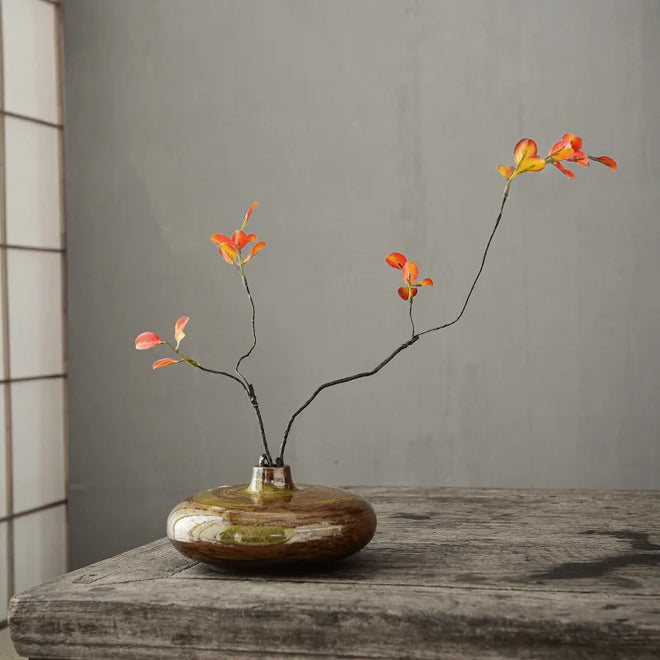
Japandi fuses Scandinavian simplicity with Japanese restraint, and is the quietest of the three. Where Scandinavian leans bright, Japandi leans warm and muted: oatmeal, clay, charcoal, moss, and warm black. Where Scandinavian adds a sheepskin, Japandi adds one handmade ceramic or a low branch arrangement and stops there.
Key markers:
- Wabi-sabi influence: slight imperfections in handmade pieces are the point, not a defect.
- Low furniture: platform beds, floor cushions, low consoles.
- Negative space: empty wall and floor area is treated as a design element, not a gap to fill.
- Natural materials: bamboo, rattan, stoneware, raw linen, and matte wood.
Midcentury Modern
Midcentury modern comes from the post-war period and is the most furniture-driven of the three. Identify it by the silhouettes:
- Tapered, splayed legs on sofas, chairs, and case goods.
- Warm walnut or teak rather than pale ash.
- Sculptural, organic curves mixed with geometric frames.
- Mustard, olive, burnt orange, and teal as accent colors against a neutral base.
Which One Fits Your Room
- Small, dark room: Scandinavian, because the light palette and open legs maximize perceived space.
- Busy household or open-plan home: Japandi, because the restraint reduces visual noise across a large footprint.
- Room with good bones and one statement piece: Midcentury modern, because the furniture carries the room.
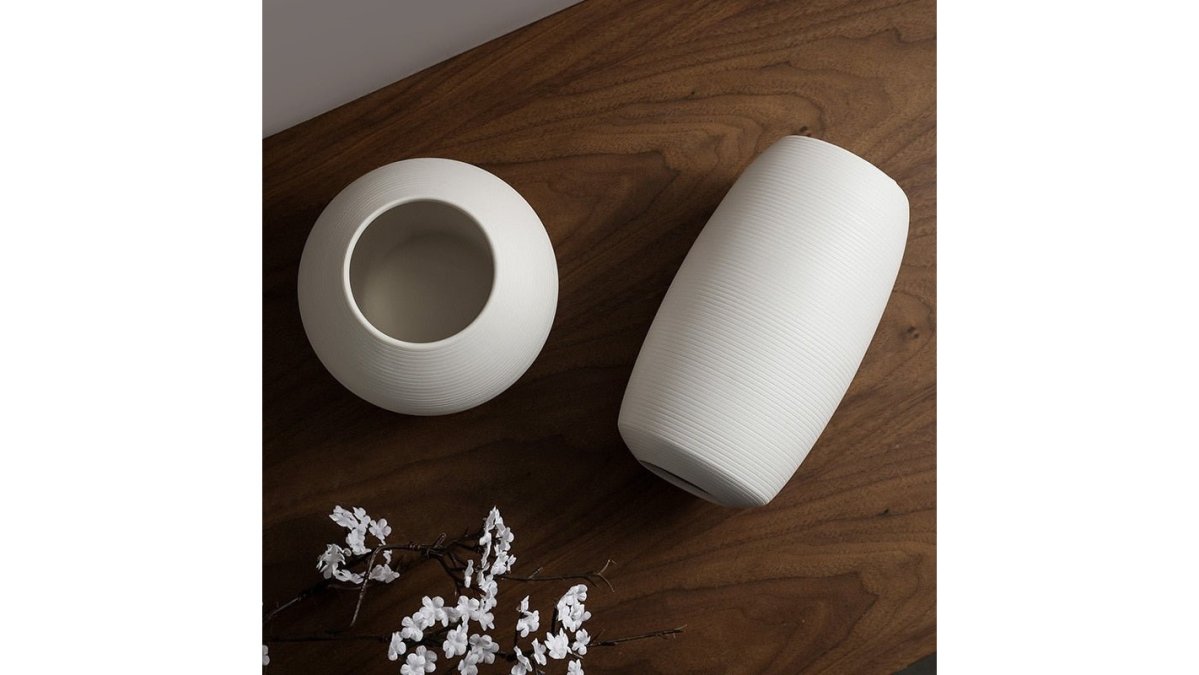
For a Japandi or Scandi room, the Sculpted Waves White Ceramic Scandi Vase earns its spot on a console or mantel, with organic wave detailing that reads as art even when empty. Pair it with the Modern Nordic Wood Japandi Style Table Lamp, a solid walnut piece that adds warmth without visual noise.
The Psychology Behind Why These Three Win
A pattern most design writers skip: these three styles reduce decision fatigue. A neutral base plus one wood tone plus one texture family gives the eye fewer competing signals, which is why people describe these rooms as restful. If you work from home, that lower visual load is a functional benefit. Start with the palette and the largest piece, then add texture before color.
Wabi Sabi Cream Fabric & Iron Spiral →
Boho, Industrial, and Farmhouse: Styles That Still Sell
Boho chic, industrial design, and farmhouse remain popular because each solves a different problem, and each has a durability problem most trend coverage ignores. Here is what defines them, where they fail, and how to buy them without feeding a landfill.
Boho Chic
Boho chic layers textiles, plants, and vintage finds for warmth. The defining materials are natural and tactile:
- Textiles: macrame, kilim and Persian-style rugs, block-print cotton, crochet, and layered throws.
- Materials: rattan, cane, jute, leather, and aged brass.
- Palette: terracotta, rust, mustard, olive, and warm cream, often all at once.
- Signature move: layering rugs and mixing patterns at different scales.
Industrial Design
Industrial design borrows from converted factories and warehouses. It is the most material-honest of the three:
- Surfaces: exposed brick, raw concrete, blackened steel, and reclaimed wood.
- Lighting: cage pendants, Edison-style bulbs, and articulated task lamps.
- Furniture: metal-framed shelving, rolling carts, and thick wood tops on steel bases.
- Palette: charcoal, rust, aged brown, and warm gray.
Farmhouse and Modern Farmhouse
Farmhouse leans on rustic wood, neutral tones, and practical, lived-in comfort. Modern farmhouse is the updated version: the same warmth with cleaner lines and less distressed finish.
- Classic farmhouse: reclaimed or heavily distressed wood, apron sinks, open shelving, gingham and grain-sack textiles, enamelware.
- Modern farmhouse: shiplap or board-and-batten walls, matte black hardware, white oak, and simple linen.
- Palette: white, cream, greige, and warm black accents.
The Sustainability Angle Nobody Covers
These three styles are the most exposed to fast-trend buying, which is where the real decision sits. Practical rules:
- Buy solid wood over veneer or MDF for anything you plan to keep more than five years. Solid pieces can be sanded and refinished; veneer cannot.
- Choose natural fibers like wool, jute, linen, and cotton over acrylic and polyester blends. They age better and shed less microplastic in the wash.
- Source secondhand first for boho and industrial. Both styles reward patina, and vintage metal and wood pieces are often cheaper than new reproductions of the same look.
- Avoid trend-specific surface decor like printed signs, themed wall decals, and single-season motifs. They are the first thing to look dated and the hardest to resell.
How to Tell If a Style Will Last in Your Home
Ask three questions before you commit:
- Does it use a material that improves with age? Wood, leather, wool, and stone do. Laminate and printed vinyl do not.
- Does it depend on a specific motif? If yes, it will date. If it depends on material and proportion, it will hold.
- Can you remove it in a weekend? Accents and textiles are low-risk. Built-ins and wall treatments are not.
Boho, industrial, and farmhouse still sell because they deliver warmth, edge, or comfort that pure minimalism does not. Buy the accents, not the whole catalog, and they will outlast the trend cycle.
Affordable Home Decor Ideas for Any Style
Affordable home decor ideas work best when you spend on the pieces you touch and save on the pieces you only see. Lighting, rugs, and seating set the mood; vases, art, and pillows are where you rotate cheaply as trends move.
A practical priority order:
- First: a foundational rug and one good lamp.
- Second: a focal point, like wall art or a statement vase.
- Third: textiles and small accents you can swap seasonally.
Budget-Friendly Ways to Test a New Look
You do not need a full redesign to test a style. Swap one accent at a time and live with it for a week.
Try this sequence:
- Add a neutral rug to anchor the space.
- Move in one lamp in the new style.
- Add a single vase or piece of wall art.
- Wait a week and note what still feels right.
Frequently Asked Questions
What interior design trends are out for 2026?
All-gray everything, heavy barn-door accents, and matching furniture sets are fading. Buyers now want warmth and personality instead of showroom sameness. Expect fewer mass-produced statement pieces and more handmade ceramics, organic textiles, and layered lighting. The popular interior design mood for 2026 favors rooms that feel lived-in rather than staged, so rigid matching and cold color schemes are the biggest things to leave behind.

How do I choose an interior design style for my home?
Start with three rooms you already love and note what repeats: color, texture, and light. If warm woods and cream fabrics keep showing up, you lean toward Scandinavian or Japandi. If you crave bold pattern and collected objects, boho or maximalist fits better. Test one style at a time with small accents like a vase or lamp before committing to a full room refresh.
What is the difference between modern and contemporary design?
Modern design refers to a specific midcentury era, roughly the 1940s through the 1960s, with clean lines, walnut tones, and functional forms. Contemporary design simply means what is being made and bought now, so it shifts every few years. A modern room can look dated; a contemporary one always reflects current taste. Many homes blend both by pairing a midcentury walnut lamp with current neutral upholstery.
Can I mix minimalist and maximalist decor in one room?
Yes, and it often looks better than committing fully to either. Keep the large pieces, like your sofa and rug, minimal and neutral, then layer in bold art, patterned pillows, or a sculptural vase as the focal point. The contrast gives maximalist pieces room to breathe instead of feeling cluttered. Start with one statement item and add only what the space still needs.