

Table of Contents
- How to Style a Bohemian Living Room With Neutral Colors
- Neutral Boho Living Room Ideas: Where to Start
- Building a Neutral Living Room Color Palette That Still Feels Warm
- Boho Living Room Textures and Materials That Add Depth
- Cozy Neutral Living Room Ideas for Layering and Comfort
- Furniture Placement and Lighting for Neutral Boho Rooms
- Budget-Conscious Sourcing and Common Styling Mistakes
- Frequently Asked Questions
Last Updated: October 13, 2026
How to Style a Bohemian Living Room With Neutral Colors
A bohemian living room built on neutrals sounds like a contradiction. Boho style is famous for bold prints, layered pattern, and a free-spirited mix of color. Yet some of the most relaxing rooms lean on cream, beige, and warm earth tones instead, letting texture do the talking. At The Finishing Touch Decor, LLC, we see this shift often: shoppers want the relaxed, handcrafted feel of boho without the visual noise.
The trick is simple to say and harder to pull off: keep the palette quiet and make the materials loud. Below, we break the process into a repeatable sequence you can finish in a weekend.
Neutral Boho Living Room Ideas: Where to Start
Start with one anchor piece, then build outward. A neutral boho living room ideas plan fails when you buy accents first and furniture last. The anchor sets your base color, and everything else echoes it.
Pick your anchor from one of these:
- A large area rug in beige or cream
- A linen or cotton sofa in a warm neutral
- A woven rattan or wood furniture piece
A Step-by-Step Styling Sequence
Follow this order and you will avoid the clash problem most people hit halfway through.

- Choose your anchor. Pick the rug or sofa in cream, beige, or soft white.
- Set the layout. Float the seating away from the walls if the room allows it.
- Add natural materials. Bring in rattan, wood, and woven textures.
- Layer textiles. Stack throw pillows, blankets, and a second small rug.
- Add greenery. Place live plants at different heights.
- Finish with accents. Wall art, vases, and one or two metallic touches.
Building a Neutral Living Room Color Palette That Still Feels Warm
A neutral living room color palette feels cold when every tone sits at the same value. Warmth comes from contrast, not from adding bright color. Mix a light base, a mid-tone, and one deep shade.
Palette Recipes and Color Proportions
Use the 60-30-10 rule: 60 percent base, 30 percent secondary, 10 percent accent.
| Layer | Share | Example Colors | Where It Goes |
|---|---|---|---|
| Base | 60% | Cream, soft white | Walls, large rug, sofa |
| Secondary | 30% | Beige, warm earth tones | Curtains, throw pillows, wood |
| Accent | 10% | Black, gold, deep brown | Curtain rod, light fixture, art |
A black curtain rod or a gold light fixture is often the only thing a neutral room needs to stop feeling flat. If you want a single pop of color, a red accent chair works because it is the only saturated item in the room.
Boho Living Room Textures and Materials That Add Depth
Texture is what separates a warm neutral room from a boring one. When color is limited, boho living room textures and materials carry the entire design. Mix at least three finishes in every zone.
Reach for these natural materials:
- Rattan and woven furniture for chairs, side tables, and shelving
- Wood in warm tones for tables and frames
- Macramé for wall hangings and handcrafted accents
- Natural fibers like cotton, linen, and jute in soft furnishings
Pattern mixing still matters here. Choose neutral patterns, such as a Moroccan geometric rug or a subtle stripe, so the prints add interest without adding color.
Cozy Neutral Living Room Ideas for Layering and Comfort
Layering is how you make a neutral room feel lived in. Cozy neutral living room ideas almost always come down to soft furnishings stacked in threes: a rug, a throw, and a cluster of pillows.
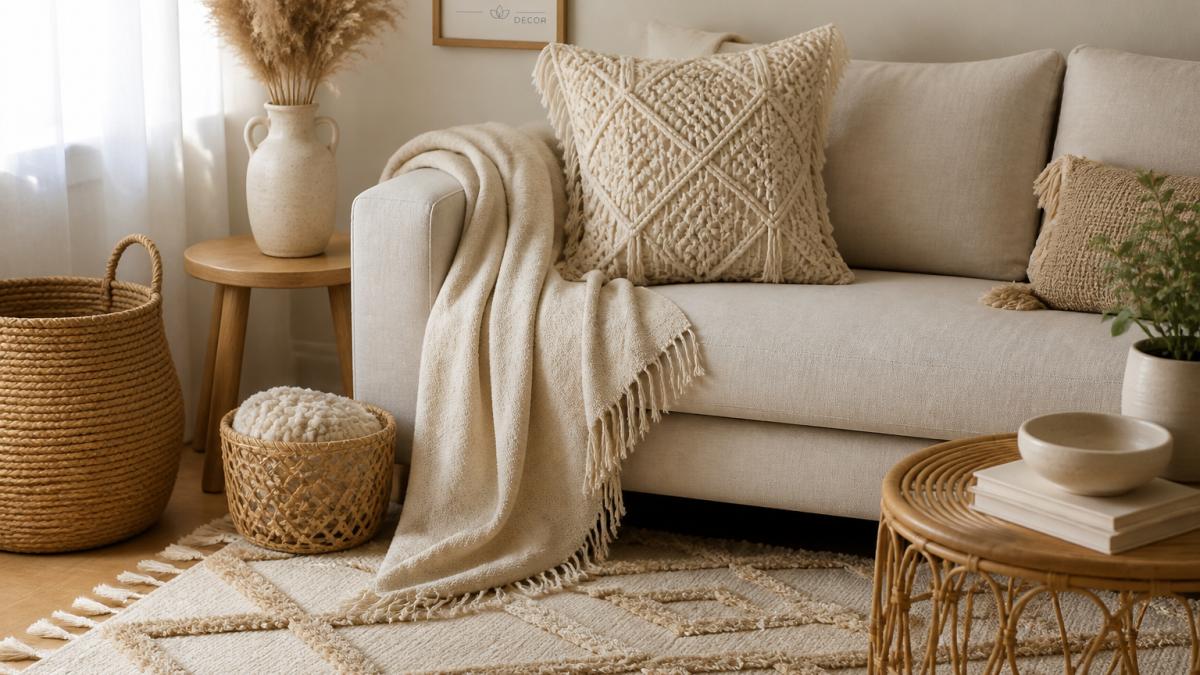
Start with an area rug, then add a smaller rug on top at an angle for a layered look. Our Cotton Linen Macrame Boho Throw Pillow Covers are built for exactly this kind of stacking, and the neutral tone keeps the layers calm.

Furniture Placement and Lighting for Neutral Boho Rooms
Lighting does more for a neutral room than any single accessory. Soft, layered light makes cream and beige glow instead of looking gray. Plan three sources: overhead, task, and accent. For layout, pull furniture off the walls and group it around a rug. Leave breathing room between pieces. A woven chair angled toward the sofa feels intentional; a chair pushed flat against the wall does not.
Lighting Plan for Neutral Interiors
A neutral room can easily feel flat without a deliberate lighting plan. The goal is to create layers of light that mimic natural daylight and add warmth. Start with ambient lighting, a ceiling fixture or recessed lights, but avoid relying solely on them, as they can cast harsh shadows.
Bulb warmth matters. Look for bulbs with a color temperature between 2700K and 3000K, which emit a warm, inviting glow. Cooler temperatures (4000K and above) can make neutrals look clinical. If your fixtures are dimmable, even better, you can adjust the intensity to suit the time of day.
Crocheted Cream Cotton Boho Tasseled Curtains →
Furniture Placement for Different Room Sizes
How you arrange furniture depends on the size and shape of your living room. In a small room, avoid pushing all furniture against the walls; instead, float the seating on a rug to create a cozy conversation area. A common layout is an L-shaped arrangement with a sofa and two chairs, leaving a walkway behind.
For any size, anchor the seating with a rug that is large enough to fit at least the front legs of all furniture. A typical mistake is choosing a rug that is too small, which makes the room feel disjointed. Leave about 18 inches between the sofa and coffee table for easy movement.
Integrating Natural Materials and Textures
Boho style thrives on natural materials, and in a neutral room, they add depth without color. Rattan and wicker furniture, such as a peacock chair or a woven side table, introduce texture and a handcrafted feel. Wood tones, from light oak to dark walnut, warm up the space. Mix at least three different textures in each zone: for example, a jute rug, a linen sofa, and a rattan chair. This prevents the room from feeling monotonous.
Common Lighting Mistakes to Avoid
One common mistake is relying on a single overhead light, which can create a flat, uninviting atmosphere. Another is using bulbs that are too cool, which can make beige and cream look gray. Avoid placing lamps where they cause glare on TV screens or create harsh shadows. Instead, position them to cast light upward or toward walls to soften the glow. Finally, don't forget to layer in candlelight or string lights for a cozy, bohemian touch.
Layout Solutions for Renters
If you rent, you may not be able to change overhead fixtures, but you can still layer lighting with plug-in sconces, floor lamps, and table lamps. Use removable adhesive hooks to hang string lights or lightweight pendants. For furniture placement, avoid heavy pieces that are hard to move; opt for lightweight chairs and ottomans that can be rearranged. Rugs are your best friend for defining spaces without altering the floor.
Budget-Conscious Sourcing and Common Styling Mistakes
You do not need to replace everything at once. Buy the anchor and the textiles first, since they change the most square footage for the least money. Save statement furniture for later. The most common mistakes we see: buying accents before the anchor, which causes clashing tones; using only one texture, which makes the room feel flat; skipping the accent layer, which leaves neutrals looking washed out; and forgetting scale, so pillows and art look too small for the room.
Prioritizing Your Budget
When building a neutral boho living room on a budget, prioritize items that have the biggest visual impact. The anchor piece, a large rug or a sofa, sets the tone for the entire room, so invest there if you can. However, you can also find affordable options: a jute rug or a cotton dhurrie can be budget-friendly and still provide a neutral base.
A good rule of thumb is to allocate about 50% of your budget to the anchor and large textiles (rug, sofa, curtains), 30% to secondary furniture and lighting, and 20% to accents and decor. This ensures you have a solid foundation before adding decorative elements.
Thrifting and Affordable Sources
Thrift stores, estate sales, and online marketplaces like Facebook Marketplace and Craigslist are goldmines for boho decor. Look for woven baskets, ceramic vases, and wooden frames at a fraction of retail prices. When thrifting, check for quality: solid wood, sturdy joinery, and natural fibers that can be cleaned.
For new items, consider budget-friendly retailers that specialize in natural materials. Stores like World Market, HomeGoods, and even Target have affordable rattan and linen pieces. Online, sites like Etsy and Wayfair offer a wide range of boho accents. Always read reviews and check return policies before buying.
Maintenance and Durability Considerations
Neutral rooms show dirt and wear more easily, so choose materials that are easy to clean. Slipcovers for sofas and chairs are a practical choice, especially with kids or pets. Look for washable throw pillow covers and rugs that can be spot-cleaned or machine-washed. Natural fibers like jute and sisal are durable but can be rough; consider a jute rug with a cotton backing for softness. For plants, choose low-maintenance varieties like snake plants or pothos that tolerate neglect.
Common Styling Mistakes to Avoid
Beyond the mistakes listed above, avoid overcrowding the room with too many accessories. In a neutral space, less is often more; each piece should have room to breathe. Another mistake is ignoring scale: a tiny rug in a large room looks lost, while oversized art in a small room can overwhelm. Measure your space before shopping. Finally, don't forget the ceiling, a woven pendant light or a ceiling medallion can add interest overhead.
Renter-Friendly Solutions
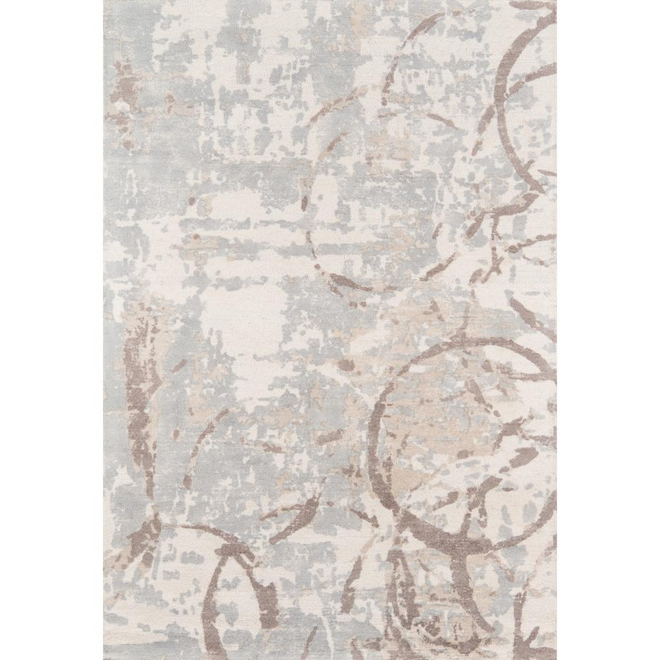
Renters, take note: curtains, rugs, and pillow covers do the heavy lifting here, and all of them move with you. Our Crocheted Cream Cotton Boho Tasseled Curtains and Large Beige Moroccan Pattern Tassel Light Area Rug are both renter-friendly picks that set a neutral base without a single nail in the wall. Use removable adhesive hooks for wall art and lightweight shelving. Opt for floor lamps and plug-in sconces instead of hardwired fixtures. With a little creativity, you can achieve a stylish boho look without losing your security deposit.

Frequently Asked Questions
What is the 2/3 rule for living rooms?
The 2/3 rule is a proportion guideline: about two-thirds of your room should stay in a calm, neutral base (walls, sofa, rug, large furniture) and one-third can carry pattern, texture, or accent color. In a neutral bohemian living room, that one-third might be a macrame pillow cover, a woven wall hanging, or a single red accent chair. The split keeps the room from feeling flat while preventing visual clutter.
Is boho still in style in 2026?
Yes. Boho style keeps evolving rather than fading, and the 2026 version leans toward quieter, neutral-driven rooms instead of the maximalist, heavily patterned look of earlier years. Warm earth tones, natural materials like rattan and wood, handcrafted accents, and layered textiles remain the core. Because the style is built on mixing vintage and modern pieces, it adapts easily to what you already own, which is part of why it stays relevant.
How do you add texture to a neutral boho living room?
Texture does the work that color normally would. Layer a few materials with clearly different surfaces: a chunky cotton throw, a linen-cotton pillow cover, a woven rattan chair or basket, a tasseled rug, and a macrame wall hanging. Aim for at least three distinct textures within arm's reach of the sofa. Because everything sits in the same neutral range, the contrast in weave, weight, and sheen reads as depth rather than busyness.
What natural materials work well in a bohemian living room?
Rattan, wood, cotton, linen, jute, and macrame are the workhorses. Use them in different roles: rattan or wood for larger furniture and lighting, cotton and linen for curtains and soft furnishings, jute or woven fibers for rugs and baskets, and macrame for pillows and wall art. Natural fibers in cream, beige, and light wood tones keep the palette cohesive, and they pair easily with vintage pieces and modern furniture alike.