

Last Updated: October 25, 2026
Quick Summary
You can hide ugly apartment flooring without replacing it using peel-and-stick tiles, area rugs, interlocking foam tiles, vinyl sheet flooring, or laminate planks. These temporary, damage-free solutions transform problem floors in a weekend while keeping your lease intact.
- Peel-and-stick floor tiles install in hours and last 2-3 years before adhesion weakens
- Area rugs with non-slip pads are the fastest way to cover floors without adhesive or installation
- Bathroom floors need moisture-rated materials with textured, non-slip surfaces to prevent slipping
- Interlocking foam tiles, vinyl sheets, and laminate planks offer reversible alternatives that don't require adhesive
- Test any adhesive product on a small corner for 48 hours before committing to full coverage
Table of Contents
- Why Hiding Ugly Apartment Flooring Matters More Than You Think
- How to Cover Ugly Floor Tiles in a Rental Without Damaging Them
- Temporary Flooring Ideas for Renters That Actually Stay Put
- How to Cover Ugly Bathroom Floor Tile With Style and Safety
- Area Rugs: The Easiest Way to Transform Any Floor
- Non-Slip Rug Pads for Apartment Floors: Anchor Your Decor Safely
- Choose Your Floor Makeover and Start Today
- Frequently Asked Questions
Why Hiding Ugly Apartment Flooring Matters More Than You Think
Renters face a unique challenge: you can't replace the flooring, but you live with it every day. Explore budget-friendly rental decoration strategies that work alongside flooring solutions to transform your entire space affordably. Whether your apartment has cracked tile, stained carpet, or mismatched wood, ugly flooring affects how the whole space feels. The good news? You don't need permission or a contractor to hide ugly apartment flooring. Strategic solutions can transform a room in a weekend.
At The Finishing Touch Decor, we understand that renters need flexible, damage-free options. This guide covers seven practical ways to cover problem floors without breaking your lease or your budget. From adhesive panels to area rugs, each method works independently or combines with others for maximum impact.
How to Cover Ugly Floor Tiles in a Rental Without Damaging Them
Peel-and-stick floor tiles are the fastest way to cover ugly floor tiles in a rental. These adhesive panels stick directly over existing tile without requiring removal of the old surface. They're removable, reusable, and leave no residue when applied correctly.
Here's how to apply them:
- Clean the floor thoroughly, Vacuum, then mop with a damp cloth. Let it dry completely. Dust and moisture prevent proper adhesion.
- Measure and plan your layout, Start from the center of the room and work outward. This creates a balanced look and minimizes visible seams at edges.
- Apply one tile at a time, Peel back the adhesive layer and press firmly into place. Use a roller or your hand to smooth out air bubbles.
- Trim edges with a utility knife, Cut tiles to fit around walls, doorways, and fixtures.
Watch out: Adhesive panels work best on smooth, flat tile. If your bathroom or kitchen tile is textured or uneven, the edges may lift over time. Test a small corner first before committing to a full room.
These panels come in wood, stone, marble, and geometric patterns. They're affordable and install in hours. The main drawback is that they're temporary, expect them to last 2-3 years before adhesion weakens.
Temporary Flooring Ideas for Renters That Actually Stay Put
Beyond peel-and-stick tiles, several other temporary solutions work well for rental apartments. The key is choosing options that won't slip, shift, or damage the floor underneath.
Interlocking foam tiles offer cushioned coverage and are especially popular for basement or garage floors. They connect puzzle-style and don't require adhesive. Stack them to create a seamless surface over any flooring type.
Vinyl sheet flooring rolls out like a large rug and sits flat without adhesive. It's thicker than peel-and-stick tiles and more durable. Seams can be sealed with removable tape to prevent water seepage in kitchens or bathrooms.
Laminate planks snap together and float over existing floors. They're durable and look like real wood or stone. Installation takes a few hours, and removal is straightforward, no tools or adhesive required.
Each option trades durability for reversibility. Interlocking tiles are easiest to remove but less stable underfoot. Vinyl sheets stay put better but can leave impressions on carpet. Laminate planks feel premium but cost more upfront.
Several temporary solutions work well for rental apartments, each trading durability for reversibility.
| Option | Best For | Key Difference |
|---|---|---|
| Interlocking foam tiles | Basements or garages | Easiest to remove, less stable underfoot |
| Vinyl sheet flooring | Kitchens or bathrooms | Stays put better, can leave impressions on carpet |
| Laminate planks | Premium look | Most durable, costs more upfront |
| Peel-and-stick tiles | Quick coverage | Affordable, lasts 2-3 years before adhesion weakens |
How to Cover Ugly Bathroom Floor Tile With Style and Safety
Bathroom floors are the highest-risk room for a rental floor makeover. Water sits on the surface, humidity works on adhesive edges, and one slipped step can mean a fall or a liability claim. The goal is a covering that stays put, sheds water, and comes up clean when you move out.
Start with a moisture and adhesion test. Before committing to any peel-and-stick product, tape a 12-inch square of the tile to the floor in an inconspicuous corner for 48 hours. Then peel it up. If the adhesive leaves a gummy residue or lifts grout sealer, that product is wrong for your floor.
Choose bathroom-rated materials, not just "waterproof" labels. Look for peel-and-stick tiles labeled for wet areas with a textured, non-slip surface. Many standard vinyl tiles become slick when wet.
Seal seams around fixtures, not the whole floor. Water damage usually starts at the toilet base, tub edge, and vanity toe-kick. Run a bead of removable silicone caulk along those seams after installation.
Manage the transition strip. A raised edge at the doorway is a trip hazard. Use a low-profile transition strip or trim the covering so it tapers to the floor. Test the doorway with bare feet before you call the job done.
Plan removal before you install. Keep the manufacturer's removal instructions and a few spare tiles. Most bathroom-rated peel-and-stick tiles release cleanly when warmed with a hair dryer and peeled at a low angle. Never pry with a metal scraper, it chips grout and tile edges, and that chip becomes a lease deduction.
For Affordable Bathroom Storage Hacks for Renters, explore complementary solutions that pair with your floor update. A coordinated approach makes the whole bathroom feel intentional.
Area Rugs: The Easiest Way to Transform Any Floor
Area rugs are the fastest, most flexible way to hide ugly apartment flooring. French Style Pastoral Floral Pattern Area Rugs offer a sophisticated aesthetic option for covering problem floors while adding elegance to any room. A quality rug covers problem areas, adds warmth, and defines the room's style, all without adhesive or installation.
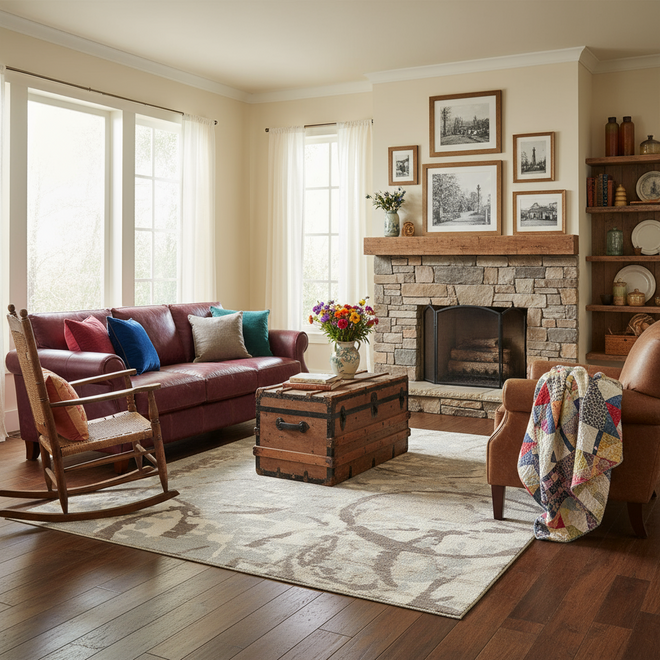
The right rug size matters. For living rooms, choose a rug large enough that at least the front legs of furniture sit on it. For bedrooms, extend the rug to both sides of the bed. A rug that's too small looks cramped and doesn't effectively hide floor problems.
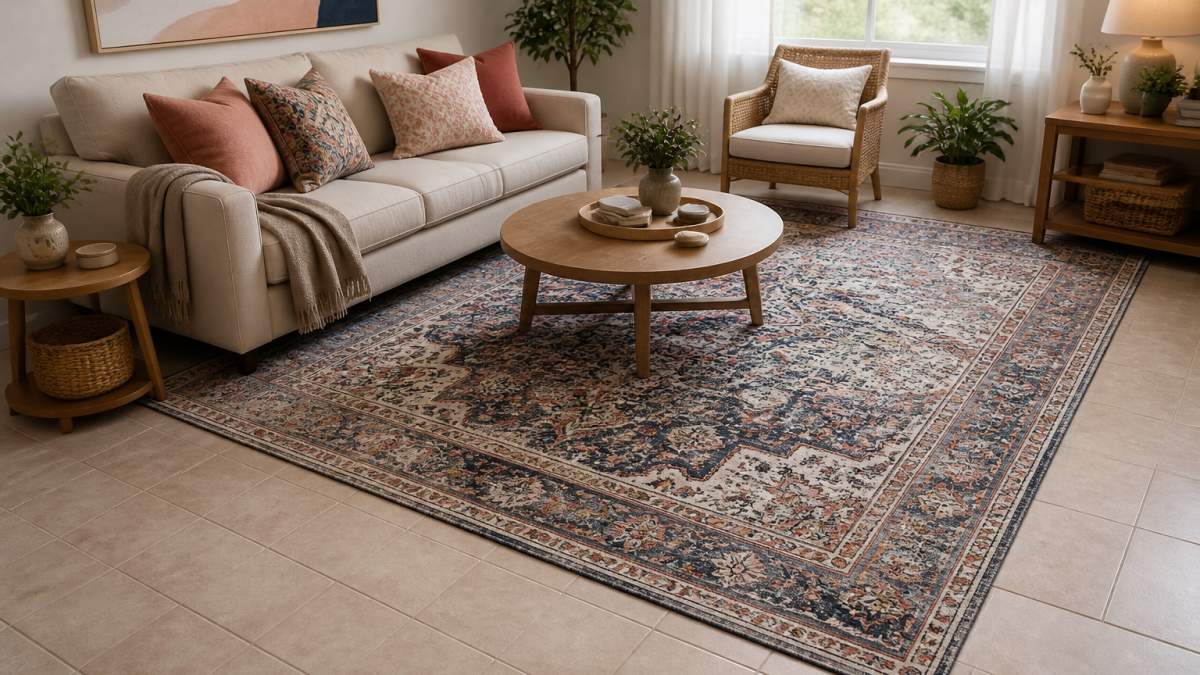
The Finishing Touch Decor offers several styles perfect for rental apartments:
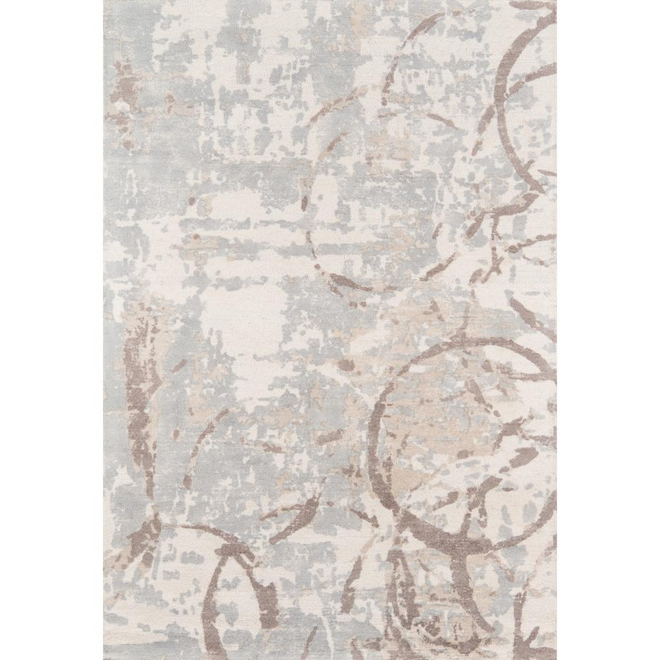
The Irregular Wave New Zealand Wool Area Rug ($165) combines softness with durability. Hand-tufted flannel resists wear and staining, and the non-slip PVC backing keeps it anchored without damaging floors. Available in nine sizes, it works in bedrooms, living rooms, or entryways. Browse Turkish Moroccan and French-style area rugs to see more options that hide ugly flooring while adding personality.
The Distressed Vintage Turkish Medallion Area Rug ($427 for 8' x 10') conceals imperfections while adding timeless elegance. Polyester construction resists fading and stretching in high-traffic areas. The hypoallergenic material is safe for renters with sensitivities.
The Classic Neutral Print Traditional Pattern Area Rug ($331) offers versatile style. Machine-woven polyester with a PVC backing, it's hand-washable for easy maintenance. Perfect for covering bathroom or kitchen tile without requiring adhesive.
Area rugs work alone or layer with other solutions. A rug over peel-and-stick tiles creates visual interest and protects the adhesive from foot traffic.
Non-Slip Rug Pads for Apartment Floors: Anchor Your Decor Safely
A rug without a pad is a slip hazard and a floor-damage risk. On tile and hardwood, the wrong pad can trap grit that scratches the finish, or leave a sticky residue that costs you a cleaning fee. The right pad keeps the rug flat, protects the floor, and lifts cleanly at move-out.
Match the pad to the floor, not just the rug. Rubber pads grip best on hard, smooth surfaces like tile and sealed hardwood, but natural rubber can discolor vinyl and laminate over time. Felt pads are safer for delicate finishes but slide on slick tile.
Test for residue before you commit. Place the pad on a small area for 48 hours, then lift it. If the floor shows a cloudy film or the pad sticks, that material is reacting with your floor finish. Clean the area with a damp cloth and choose a different pad.
Size the pad correctly. The pad should be one to two inches smaller than the rug on all sides. An oversized pad curls at the edges and creates a trip line. An undersized pad lets the rug edges flop and catch feet.
Prevent grit damage. Vacuum under the rug and pad monthly. Grit trapped between pad and floor acts like sandpaper under foot traffic, and on tile it dulls the grout lines. A quick pass with a vacuum wand keeps the floor finish intact.
Plan for removal. At move-out, lift the pad slowly and check for residue. Most quality pads release cleanly from tile and sealed hardwood. If a film remains, a damp microfiber cloth usually lifts it without chemicals.
Choose Your Floor Makeover and Start Today
You've got seven proven methods to hide ugly apartment flooring without permanent changes. Start by assessing your space: Is the problem widespread or localized? Do you need moisture resistance? How long will you stay in the apartment?
For quick coverage, peel-and-stick tiles work in a weekend. For style and flexibility, area rugs transform rooms instantly. For bathrooms and kitchens, combine adhesive panels with non-slip pads for safety and durability.
The Finishing Touch Decor makes it easy to add the final layer of style. Quality rugs and decor accents anchor your floor makeover and tie your entire space together. View More area rug options and find the perfect match for your apartment's aesthetic. With the right approach, even the ugliest floor becomes a foundation for a space you love living in.
Hiding ugly apartment flooring doesn't require replacing it. A thoughtful combination of temporary solutions, strategic rugs, and quality decor creates a polished look that works within your lease. The Finishing Touch Decor provides the area rugs and accessories you need to complete your transformation, browse our curated collection of French Country, Coastal, Bohemian, and contemporary styles to find pieces that match your vision. Get started with The Finishing Touch Decor and create an apartment that feels entirely yours.
Frequently Asked Questions
Can I use peel-and-stick tiles to cover ugly apartment flooring without damaging it?
Yes, peel-and-stick tiles are designed for temporary coverage and removable flooring. They adhere directly to most existing floors without requiring adhesive or tools. When you move, they peel away cleanly if applied correctly. However, test them on a small, hidden area first to ensure they won't damage your specific floor type. Always check your lease before installing any floor covering.
What's the best way to hide ugly bathroom floor tile in a rental?
Bathroom floors need moisture-resistant solutions. Area rugs with non-slip backing are ideal for bathrooms, they protect against water exposure while hiding unattractive tile. Peel-and-stick vinyl tiles also work well in bathrooms since they resist moisture. Ensure any covering has slip-resistant properties for safety. Avoid solutions that trap moisture under the tile, which can damage both the floor and your deposit.
How do I keep temporary floor coverings from sliding around?
Non-slip rug pads are essential for apartment floors. Quality pads feature a rubber or PVC backing that grips both the rug and the floor beneath it, preventing movement during daily use. The Irregular Wave New Zealand Wool Area Rug includes secure non-slip PVC backing that anchors it in place. This prevents tripping hazards and protects your floors from shifting damage.
What should I ask my landlord before covering ugly apartment flooring?
Always review your lease first. Most landlords allow temporary, removable solutions like area rugs and peel-and-stick tiles, but permanent changes may violate your lease. Ask specifically about: adhesive products, weight limits for large rugs, and whether the covering method might affect the floor underneath. Getting written approval prevents disputes when you move out and protects your security deposit.