

Last Updated: October 24, 2026
Quick Summary
Choose wall textures for small living spaces by letting texture control how light moves across the wall. Pick one textured accent wall in a light tone with a matte or eggshell finish, and keep the other walls quiet so the relief catches light and adds depth instead of clutter.
- Limewash, plaster, matte latex, textured wallpaper, and textured wall art are the five recommended approaches, ranked from most subtle to most dramatic.
- Use wallpaper on one wall only, with a pattern repeat under 6 inches for rooms under 150 square feet.
- Place texture on the wall opposite or perpendicular to the main light source so the relief catches light.
- Limit yourself to two dominant textures per sightline and repeat one of them elsewhere to create rhythm.
- A piece wider than two-thirds of the wall will overwhelm a compact space, so measure before hanging anything.
Table of Contents
- Why Wall Textures Change How Big a Small Living Room Feels
- Small Living Room Wall Texture Ideas That Add Character
- Textured Wallpaper for Small Rooms: What Works and What Closes In
- Accent Wall Ideas for Small Living Rooms That Open the Space
- How to Decorate Around Textured Walls With Furniture and Textiles
- Mistakes That Make a Compact Room Feel Smaller
- Pick Your Texture and Style the Room With The Finishing Touch Decor
- Frequently Asked Questions
Why Wall Textures Change How Big a Small Living Room Feels
Choosing wall textures for small living spaces comes down to one principle: texture controls how light moves across a wall.
At The Finishing Touch Decor, we hear from renters and new homeowners alike who assume a small room needs plain white walls to feel open. That advice is only half right.
Below, we'll show you exactly how to pick a finish, an accent wall, and the décor that ties it together, plus the mistakes that quietly shrink a room.
Texture, Depth, and Visual Interest Without Bulk
Texture is how a wall's surface feels and how it catches light. It adds visual interest through shadow and relief rather than through pattern or color, so it never crowds a small room the way bold wallpaper can.
A wall with subtle relief draws the eye up and across. That movement makes the ceiling feel higher and the room feel less boxed in. The key is restraint: fine texture reads as depth, while heavy texture reads as clutter.
How Light and Paint Finish Affect Perceived Space
Light decides whether your texture helps or hurts. A matte or eggshell finish softens glare and lets texture show. High-gloss paint reflects light sharply, which can flatten subtle texture and highlight every imperfection.
Rooms with one window benefit most from light-colored, low-sheen walls. The texture catches daylight from the side and creates gentle gradients. Dark, heavy texture in a dim corner does the opposite and closes the space in.
Small Living Room Wall Texture Ideas That Add Character
The best small living room wall texture ideas work with light, not against it. Here are five approaches we recommend, ranked from most subtle to most dramatic:
- Limewash for a soft, cloudy wash of color with gentle movement
- Plaster finish for hand-troweled depth on one wall only
- Matte latex paint with a flat sheen for an affordable, renter-friendly base
- Textured wallpaper in a fine weave or grasscloth look
- Textured wall art for texture you can hang and take with you
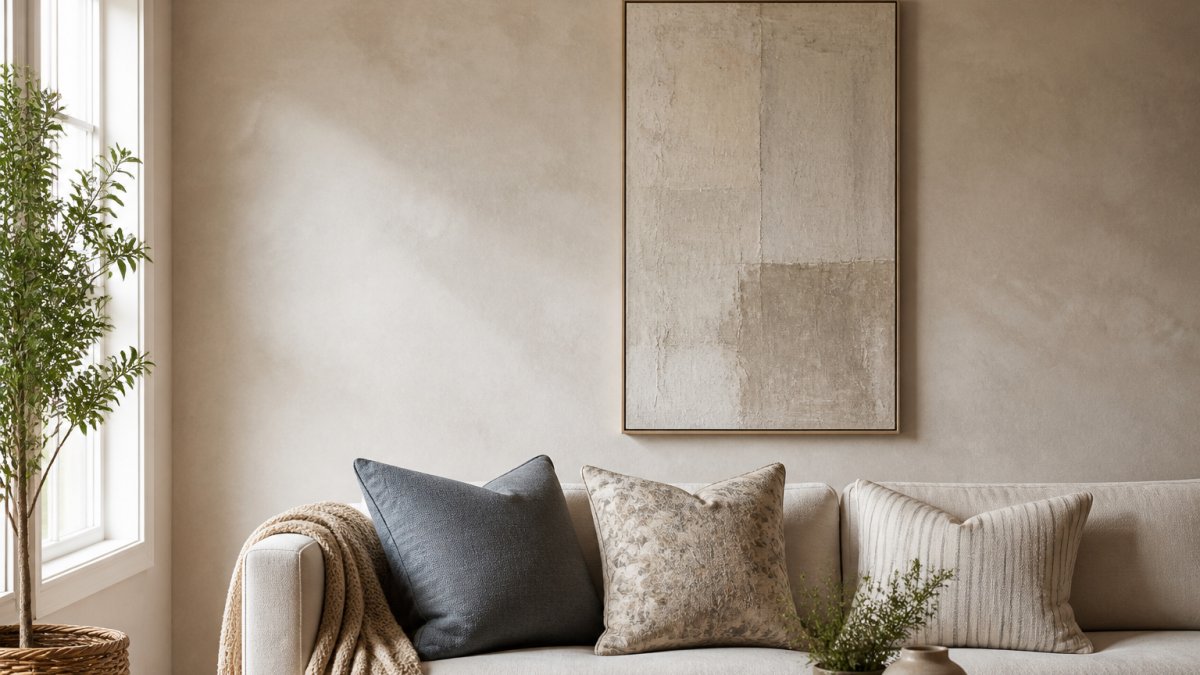
Subtle Texture: Limewash, Plaster, and Matte Latex Paint
Limewash is a mineral-based finish that goes on thin and dries in soft, mottled layers. It hides wall flaws and adds depth that flat paint can't match. A common mistake is applying it too heavy in one coat.
Plaster finishes cost more and take skill, so save them for a single feature wall. Matte latex is the budget option: a flat sheen softens light and gives you color control without much texture.
If you want texture you can hang rather than apply, a Hand Painted Brown Abstract Texture Oil Mural Painting brings real surface relief to a wall. For smaller walls, a Hand-Painted Textured Nordic Minimalist Canvas Oil Painting adds calm, tactile depth without a renovation.


Textured Wall Art and Layered Décor
Textured wall art is the renter's secret weapon. Canvas, woven fiber, and sculpted pieces add depth you can hang in minutes and take with you when you move.
Layer art at different depths to build a sense of dimension. A chunky woven piece next to a flat print creates contrast. A Neutral Wavy Greige 3 pcs Minimalist Canvas Wall Art is an easy starting point for a small wall, since its soft palette keeps the space feeling open.

Textured Wallpaper for Small Rooms: What Works and What Closes In
Textured wallpaper works in small rooms when the texture is fine, the color is light, and the pattern scale is small. A grasscloth or linen-look paper in a soft neutral adds warmth and depth without visual weight.
Use wallpaper on one wall only. Keep the pattern small and tone-on-tone, and let the other walls stay quiet. Peel-and-stick options are the practical pick for renters, since they come down without damaging the drywall.
Pattern Scale and Perceived Room Size
The single biggest factor in whether wallpaper makes a small room feel larger or smaller is pattern repeat. A large repeat (12 inches or more) forces the eye to jump across the wall, which can make a compact space feel choppy. A small repeat (under 6 inches) or a texture-only paper with no distinct motif creates a continuous surface that reads as calm and expansive.
Hand-Painted Textured Nordic Minimalist Canvas Oil Painting →
Installation, Cost, and Renter-Friendly Options
Wallpaper installation costs vary widely by method. Peel-and-stick papers are the most renter-friendly: they can be removed without damaging drywall, though they may not adhere well to textured walls or in high-humidity rooms. Traditional unpasted wallpaper requires adhesive and a smoother, which pushes DIY difficulty up. For a single accent wall in a small living room, a peel-and-stick grasscloth-look paper is usually the best balance of reversibility and visual depth.
Maintenance and Repair
Textured wallpaper hides minor wall flaws better than paint, but it can collect dust in the relief. Vacuum gently with a brush attachment every few months. Spot-clean with a damp cloth only if the paper is vinyl or scrubbable; natural grasscloth should be dry-cleaned only.
Pattern scale is the deciding factor in whether wallpaper opens or closes a small room.
| Pattern repeat | Effect on small room | Note |
|---|---|---|
| Large repeat (12 inches or more) | Eye jumps across wall; space feels choppy | Avoid in compact rooms |
| Small repeat (under 6 inches) | Continuous surface reads calm and expansive | Safest for rooms under 150 square feet |
| Texture-only paper, no distinct motif | Continuous, calm surface | Tone-on-tone is safest choice |
Accent Wall Ideas for Small Living Rooms That Open the Space
An accent wall should pull the eye toward depth, not toward clutter.
A mirror is the classic way to make an accent wall feel more open. Placed opposite a window, it doubles the light and the sense of space.
Watch out: a dark accent wall on the same side as your only window can make the room feel like a tunnel. Put the deeper tone where light already lands.
How to Decorate Around Textured Walls With Furniture and Textiles
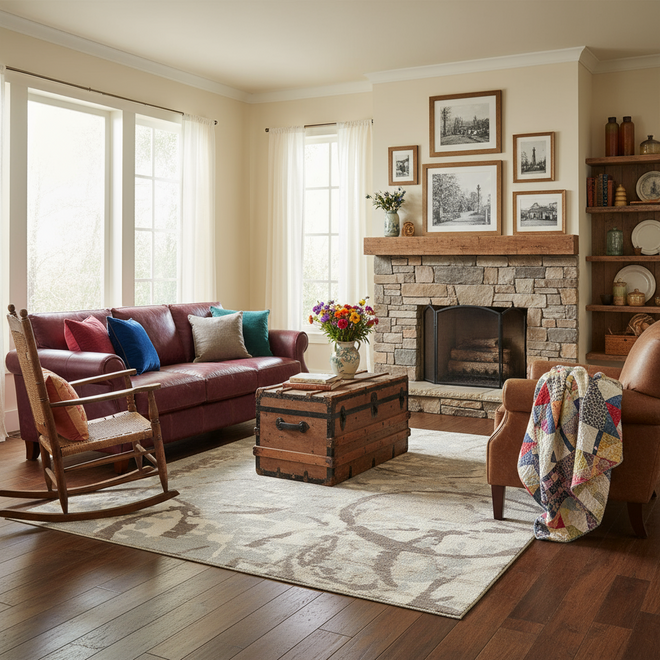
Decorating around textured walls is about balance. If the wall is busy, the furniture should be calm. If the wall is quiet, the textiles can carry the pattern.
- Pair a textured wall with smooth furniture surfaces for contrast
- Use curtains in a simple fabric so they don't compete with the wall
- Repeat one wall tone in a pillow or throw to tie the room together
- Keep wood tones warm and consistent to ground the space
Scale matters here. Oversized furniture crowds a compact room, no matter how good the wall looks. Choosing furniture sized for the room keeps the floor plan open and lets the texture breathe.
Mistakes That Make a Compact Room Feel Smaller
The fastest way to shrink a small room is to fight it with heavy texture everywhere. A few common missteps, and the mechanism behind each:
- Texturing all four walls in a strong finish. Texture creates depth through contrast between light and shadow. When every wall has the same relief, the eye has no quiet surface to rest on, and the room reads as busy rather than deep. Keep one textured wall and let the others stay matte and light.
- Mixing too many textures at once. A limewash wall, a woven wall hanging, a nubby throw, and a rattan chair can each be beautiful alone, but together they compete for attention. Limit yourself to two dominant textures per sightline and repeat one of them elsewhere to create rhythm.
- Ignoring light direction. Texture only reads when light rakes across it. A heavily textured wall on the same side as the only window will sit in shadow most of the day and feel dim. Put texture on the wall opposite or perpendicular to the main light source so the relief catches light.
- Skipping scale. Oversized furniture or art in a compact room crowds the floor plan and blocks the light that makes texture visible. Measure the wall before hanging anything; a piece wider than two-thirds of the wall will overwhelm the space.
- Using high-gloss paint over texture. Gloss reflects light sharply and flattens the subtle shadows that give texture its depth. Matte or eggshell finishes preserve the relief you paid for.
- Choosing dark texture in a low-light room. Dark finishes absorb light and make a small room feel enclosed. If you want a deeper tone, keep it on a wall that receives direct light or use it only on trim and accents.
One rule keeps you safe: one textured wall, one quiet palette, and light that reaches the texture.
Pick Your Texture and Style the Room With The Finishing Touch Decor
Choosing wall textures for small living spaces gets easier once you commit to one finish and build around it. Start with the wall that gets the most light, add a single texture, then layer in art and textiles that echo it.
That's where we come in. At The Finishing Touch Decor, we curate wall art, mirrors, and accents across French Country, Coastal, Bohemian, and Nordic Scandi styles, so you can match a finish to pieces that already work together.
Frequently Asked Questions
Which wall textures work best in small living rooms?
Subtle finishes usually work best: limewash, matte latex paint, and light plaster add depth without visually closing in the room. A low-relief textured wall art piece or a neutral textured wallpaper on one wall also adds character. Save heavy stone, deep brick, and high-contrast patterns for larger rooms, where their visual weight has space to breathe.
Do textured walls make a small room look bigger or smaller?
It depends on scale and color. Fine, low-contrast texture in a light neutral palette tends to make a compact room feel deeper because it catches light and adds dimension. Large-scale, dark, or high-contrast texture pulls the wall forward and can shrink the space. Match the texture's scale to the room and keep the palette close to your furniture tones.
Should you use texture on every wall in a small space?
Usually not. One textured accent wall plus three calmer walls keeps the room from feeling busy. If you love a full-room texture, choose something subtle like limewash or a fine plaster finish in a neutral palette. Pair it with simple furniture and minimal wall décor so the texture stays the feature rather than competing with everything else.
How do you choose a wall texture that works with your furniture?
Start with the textures already in the room: wood tones, upholstery, curtains, and rugs. If your furniture is smooth and modern, a soft plaster or matte paint finish balances it. If the room already has heavy textiles, keep walls calm. Mixing textures works best when one surface leads and the rest support it, so let the wall finish echo a tone you already have.
Your small room doesn't need plain walls to feel open. It needs one well-chosen texture and décor that supports it. Browse our wall art and accents to find the piece that finishes the room, and get started with The Finishing Touch Decor today.