

Table of Contents
- Why Budget-Friendly Decor Doesn't Mean Cheap Looking
- How to Decorate a Small Apartment on a Budget
- DIY Home Decor Hacks for Renters
- Best Budget-Friendly Home Decor Stores
- The Psychology of Space: How Decor Affects Mood
- Sustainable and Eco-Friendly Decor Sourcing
- Maintenance Tips to Make Your Decor Last
- Frequently Asked Questions
Last Updated: September 14, 2026
Why Budget-Friendly Decor Doesn't Mean Cheap Looking
Budget-friendly decor is the practice of furnishing and styling a home using affordable, often secondhand or DIY pieces that still look intentional and polished. The secret isn't spending more, it's spending smarter: focusing on texture, scale, and a cohesive color palette rather than price tags. At The Finishing Touch Decor, LLC, a few well-chosen accents can carry a whole room.

Most people assume a luxe feel requires a luxury budget. The opposite is usually true. A single statement piece, styled well, reads more expensive than ten forgettable items bought at full price.
What separates a curated room from a cluttered one comes down to restraint. Layering a few textures, sticking to a tight color palette, and giving each piece room to breathe does more for your aesthetic than any single purchase.
How to Decorate a Small Apartment on a Budget
Decorating a small apartment on a budget starts with space planning, not shopping. Map your layout first, then choose a cohesive color palette, then add affordable accents that pull the room together. This order keeps you from buying pieces that fight each other or crowd the floor.
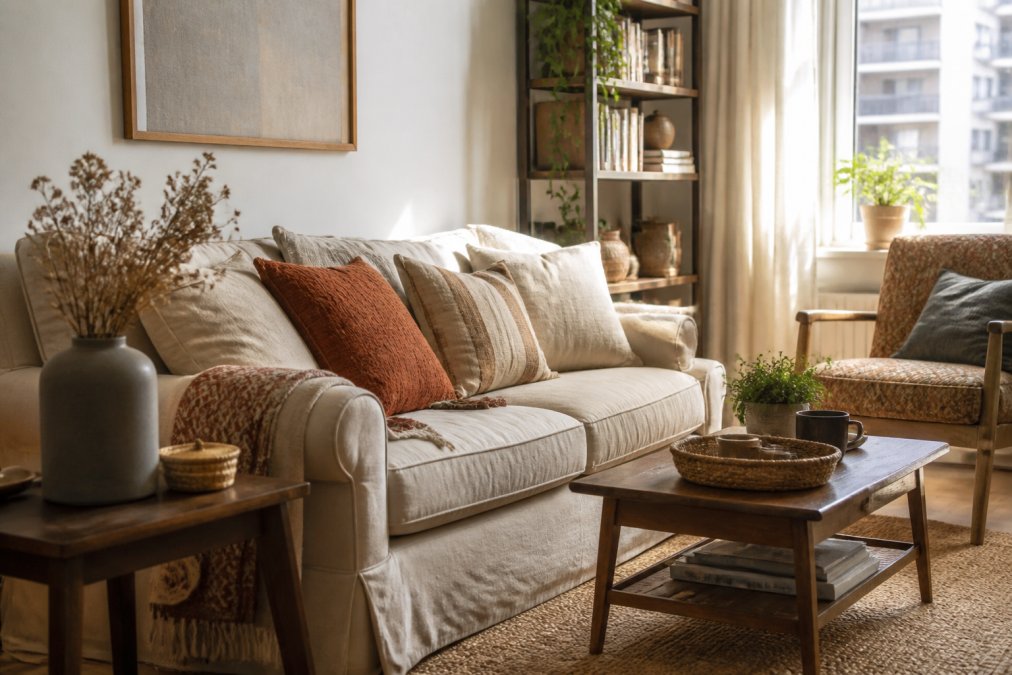
Space Planning Tricks That Make Small Rooms Feel Bigger
Spatial flow matters more than square footage. Pull furniture slightly away from walls, choose pieces with visible legs to show more floor, and use vertical storage to draw the eye upward. A common mistake is pushing everything against the walls, which makes a room feel boxed in rather than open.
Choosing a Cohesive Color Palette on a Tight Budget
Pick three colors and stick to them: one dominant neutral, one secondary tone, and one accent. A tight palette makes mismatched thrifted finds look deliberate. If you're unsure where to start, lean on a soft neutral base and let one accent color do the talking.
DIY Home Decor Hacks for Renters
Rental-friendly decor works because it's reversible. Every upgrade here can be undone before you move out, so you personalize your space without risking your deposit. The trick is choosing modifications that add visual interest without touching the structure of the unit.
Rental-Friendly Wall Treatments and Accent Walls
An accent wall doesn't require paint. Peel-and-stick wallpaper, removable wall decals, and large leaning mirrors or art panels all create a focal point you can take down in minutes. Check your lease first, since some agreements restrict adhesive products even when they're removable.
Upcycling Thrifted Furniture Without Damaging Your Deposit
Thrifted and flea market finds are the backbone of a budget revamp. A coat of paint, new hardware, or a slipcover can take a dated dresser or chair from tired to timeless. Keep original pieces intact underneath so you can reverse any change, and store removed hardware in a labeled bag.
| Rental Challenge | Budget-Friendly Fix | Reversible? |
|---|---|---|
| Blank walls | Peel-and-stick wallpaper, leaning art | Yes |
| Dated furniture | Slipcovers, new hardware | Yes |
| Poor lighting | Plug-in sconces, floor lamps | Yes |
| No storage | Freestanding shelves, baskets | Yes |
Best Budget-Friendly Home Decor Stores
The best budget-friendly home decor stores mix affordable pricing with pieces that don't look mass-produced. Where you shop shapes the look you get, so it helps to know what each tier of the market does well before you spend a dollar.
Thrift Stores and Flea Markets
Thrift chains like Goodwill and Habitat for Humanity ReStore, plus local church and estate sales, are the cheapest source of one-of-a-kind pieces. Expect to pay a few dollars for vases, frames, and lamps, and $20 to $80 for solid wood dressers and side tables. The trade-off is time: you have to visit often, inspect for wobbles, water rings, and smoke odor, and be ready to walk away empty-handed. Bring a tape measure and a phone charger to test lamps on the spot.
Discount and Off-Price Retailers
HomeGoods, T.J. Maxx, and Marshalls sell overstock and closeout decor at 20 to 60 percent below typical department store prices. Inventory rotates weekly, so the same vase rarely stays on the shelf. Atelier and clearance endcaps are where the deepest markdowns hide. Ross and Burlington follow a similar model with slightly lower ceilings on quality.
Big-Box and Mass Retailers
Target's Threshold and Hearth & Hand lines, Walmart's Better Homes & Gardens collection, and IKEA cover the basics: curtains, rugs, lamps, storage, and frames. Prices run from a few dollars for candle holders to roughly $150 for a small area rug. The look can read generic if you buy a full matching set, so mix in one or two secondhand pieces to break up the uniformity.
Online Marketplaces and Curated Shops
Facebook Marketplace, Craigslist, OfferUp, and eBay are where large furniture moves cheaply because sellers want it gone. Local pickup keeps costs near zero but requires a vehicle and a helper. Etsy and small curated shops like The Finishing Touch Decor, LLC trade some of that uniqueness for consistency, easier returns, and free shipping on orders over $50. Wayfair and Overstock sit in the middle, with frequent sales and a wider catalog than physical stores.
Dollar and Craft Stores for Accents
Dollar Tree, Five Below, and Michaels are best for filler: candles, picture frames, faux stems, ribbon, and spray paint for upcycling. Michaels and Joann run frequent 40 to 60 percent off sales on frames and floral, which is when the math actually works.
How to Blend Sources for a Cohesive Look
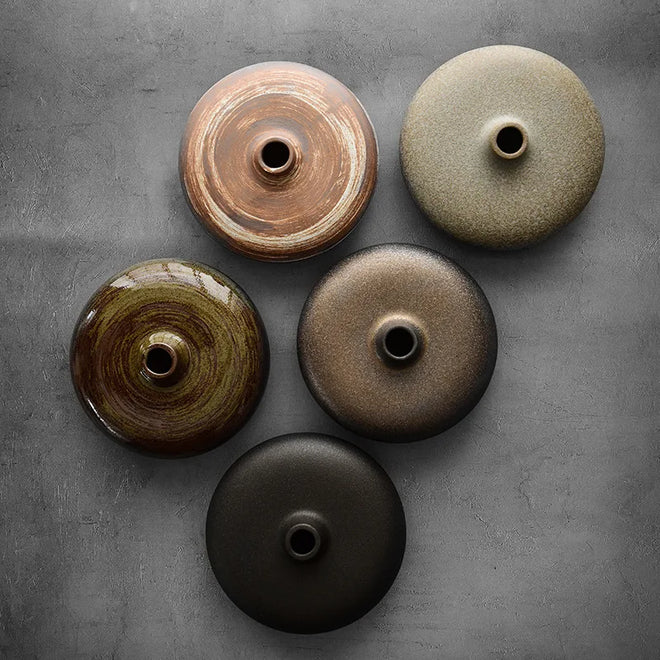
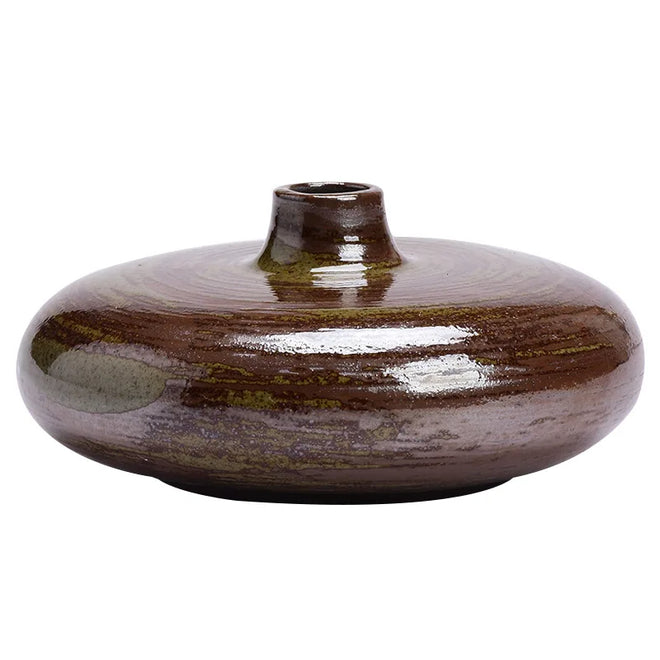
For a cohesive result, many shoppers blend two or three sources: hunt for a statement piece secondhand, then fill the gaps with new accents that match their palette. A ceramic vase or two can anchor a shelf of thrifted books and give the whole display a finished feel. Set a per-room budget before you shop, and cap thrift trips at one or two hours so the hunt doesn't eat your weekend.
| Source | Typical Price Range | Best For | Trade-Off |
|---|---|---|---|
| Thrift stores, flea markets | $1-$80 | One-of-a-kind statement pieces | Time and luck required |
| HomeGoods, T.J. Maxx, Marshalls | $5-$150 | Trend-forward accents | Inventory rotates, no restock |
| Target, Walmart, IKEA | $3-$150 | Basics and storage | Can look mass-produced |
| Facebook Marketplace, Craigslist | $0-$100 | Large furniture | Pickup logistics, no returns |
| Etsy, curated online shops | $15-$200 | Cohesive, finished accents | Higher per-piece cost |
| Dollar Tree, Michaels, Joann | $1-$25 | Filler and DIY supplies | Lower durability |
The Psychology of Space: How Decor Affects Mood
Decor affects mood through color, light, clutter, and perceived control, not just appearance. This is the angle most budget guides skip entirely, and it's also the cheapest lever you have: rearranging what you already own can shift how a room feels in an afternoon.
Color Temperature and Arousal
Cool colors like blue and grey tend to read as calming, while warm reds, oranges, and yellows read as energizing. That's why a bedroom painted or styled in cool neutrals often feels restful, and why the same warm terracotta pillows that feel cozy in a living room can feel restless in a home office. You don't need to repaint to test this. Swap a throw blanket, a set of pillow covers, or a rug and live with the change for a week before committing.
Lighting and Circadian Rhythm
Light does more than set a mood. Bright, cool-toned overhead light in the evening suppresses melatonin and makes winding down harder, which is why a single harsh ceiling bulb can make a small apartment feel both clinical and stressful. Layering light is the cheapest mood upgrade available: aim for three sources per room at different heights, use warm bulbs in the 2700K range for living and sleeping areas, and put overheads on dimmers or skip them after sunset. Plug-in sconces and floor lamps work for renters because nothing is hardwired.
Clutter, Cortisol, and Visual Noise
Visual clutter competes for attention. A surface covered in small objects forces your eye to keep scanning, and most people describe that as feeling tired or on edge without knowing why. The fix isn't minimalism for its own sake, it's containment: baskets, trays, and closed storage let you keep the things you use without the visual noise. A single tray corralling remotes, candles, and a plant does more for calm than clearing the whole surface.
Biophilic Design on a Budget
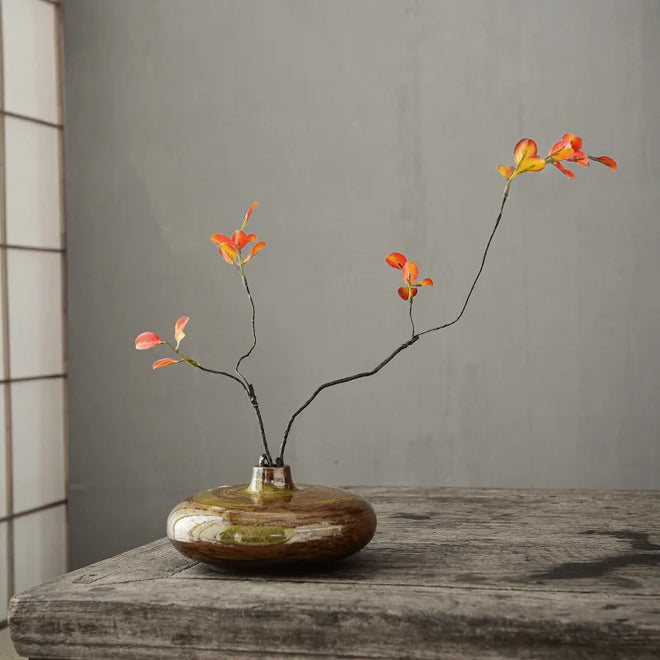
Access to greenery and natural light is linked to lower stress and better focus in workplace and indoor-environment research. You don't need a sunroom to get the effect. One or two low-light plants like pothos, snake plant, or ZZ plant, placed where you actually see them, deliver most of the benefit. If you kill plants, a single large faux stem in a ceramic vase reads nearly as well and costs less than a month of replacing real ones.
Personal Meaning and Perceived Control
Rooms feel better when they reflect the people in them. A gallery wall of personal photos, a shelf of books you actually read, or a piece inherited from family all signal ownership and identity, which is why a rented apartment styled with your own objects feels more like home than a staged model unit. This is also why generic decor bought to fill space rarely satisfies: it doesn't carry meaning.
Functional Decor and Rest
Functional decor, meaning pieces that serve a purpose and look good doing it, keeps a room both useful and restful. A bench that holds blankets, a basket that hides shoes, a lamp that also charges your phone: each removes a small decision from your day. The cumulative effect is a space that asks less of you.
Sustainable and Eco-Friendly Decor Sourcing
Sustainable decor sourcing means buying secondhand, choosing durable materials, and keeping pieces in use longer instead of replacing them each season. Upcycling thrifted furniture and choosing natural materials like clay, ceramic, and wood reduces waste while giving your home more character.
The most eco-friendly piece is the one you already own. Before buying new, ask whether a coat of paint, a new cushion cover, or a simple rearrange can refresh what you have. When you do buy, prioritize quality over quantity so each item lasts.
Many shoppers now treat thrifted and vintage finds as a first stop rather than a last resort. That shift benefits your budget and your footprint at the same time.
Maintenance Tips to Make Your Decor Last
Maintenance is what separates decor that lasts from decor you replace every year. Rotate textiles, dust regularly, and store seasonal pieces properly to extend their life. A little care keeps a budget refresh looking intentional long after the initial styling.
- Rotate and wash slipcovers and throw pillows to prevent fading and wear
- Dust ceramic and glass pieces with a soft cloth rather than abrasive cleaners
- Keep thrifted wood furniture out of direct sun to avoid warping and fading
- Store off-season textiles in breathable cotton bags, not plastic
- Tighten hardware on upcycled pieces every few months
The thing nobody tells you about budget decor is that longevity is the real savings. A well-maintained piece you keep for years costs far less over time than a cheap replacement bought every season.
Frequently Asked Questions
What is the 3-5-7 rule for decorating?
The 3-5-7 rule is a styling guideline for arranging accessories. Group items in odd numbers: three small objects, five medium ones, or seven tiny pieces. This creates visual balance without symmetry. For example, place three ceramic vases of varying heights on a shelf. The rule works because odd numbers feel more natural and dynamic than even ones. It helps you avoid clutter while making budget-friendly decor look curated.
How can I decorate my living room cheaply?
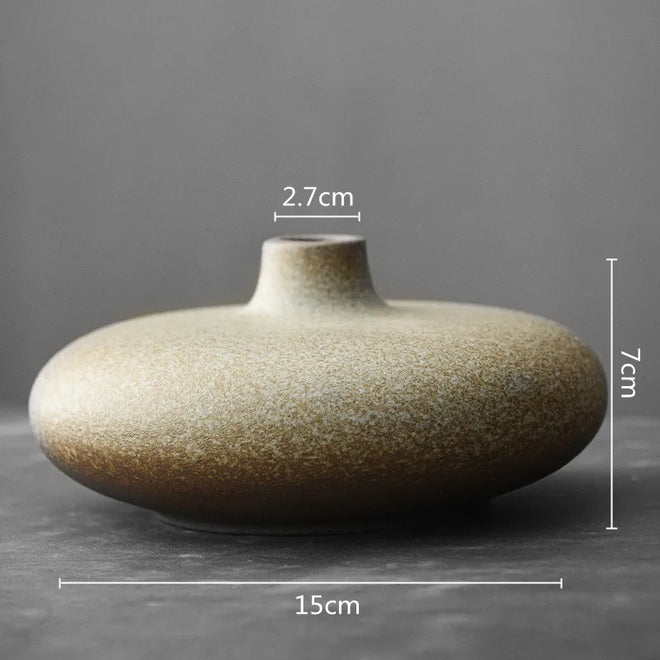
Start with what you already own: rearrange furniture, swap throw pillows between rooms, and declutter surfaces. Add affordable accents like a $13.99 ceramic vase or a set of three clay jug vases for $26.00. Use thrifted frames for wall art, layer a slipcover over an old sofa, and bring in greenery from cuttings. Focus on lighting with a new lampshade or LED strip. These small changes cost little but refresh the whole room.
Can I use temporary decor to transform a rental living space?
Yes, rental-friendly decor is designed for easy removal. Use removable wallpaper or peel-and-stick tiles for accent walls. Hang art with damage-free adhesive hooks. Swap hardware on cabinets and drawers, then store the originals. Add slipcovers and throw blankets to change upholstery colors. Lay area rugs over dated carpet. These temporary fixes personalize your space without risking your security deposit and move with you when you leave.
What are the most impactful decor items for a small budget?
Focus on items that change the most visual area for the least money. Throw pillows and blankets update a sofa instantly. A large piece of wall art or a mirror draws the eye. New lampshades or a floor lamp shift the lighting mood. Rugs define zones in open floor plans. Vases and planters add life for under $30. These high-impact pieces let you transform your living space with budget-friendly decor without a full renovation.
How do I choose a cohesive color palette for my home?
Use the 60-30-10 rule: 60% dominant neutral (walls, large furniture), 30% secondary color (upholstery, curtains), and 10% accent (pillows, art, vases). Pick a palette from a favorite fabric or rug you already own. Stick to three colors max. For a French Country look, try cream, sage, and warm wood. For Coastal, use white, navy, and sand. Test paint swatches on walls for a week before committing.
What are the best budget-friendly ways to update home furnishings?
Update furnishings without replacing them. Add slipcovers to sofas and chairs for a new color or pattern. Paint wooden furniture with chalk paint, no sanding needed. Swap out drawer pulls and knobs for a fresh look. Layer a new area rug over old carpet. Use throw pillows and blankets to change the feel of a bed or couch. These updates cost a fraction of new furniture and take an afternoon.
Refreshing your living space shouldn't require a renovation budget or a landlord's permission. The Finishing Touch Decor, LLC makes it simple with a curated collection of vases, wall art, and accents spanning French Country, Coastal, Bohemian, and Contemporary styles, plus free shipping on orders over $50. Start with one statement piece, build your palette around it, and let the room come together. Shop now with The Finishing Touch Decor, LLC and transform your space without overspending.