

Table of Contents
- Why Texture Matters in Living Room Design
- Living Room Texture Ideas: Start With Your Foundation
- How to Layer Textures in Home Decor: The Practical Method
- Mixing Patterns and Textures in Interior Design Without Clashing
- Neutral Living Room Texture Ideas for Timeless Appeal
- Specific Texture Combinations That Work
- Common Mistakes to Avoid When Mixing Textures
- Frequently Asked Questions
Last Updated: October 18, 2026
Why Texture Matters in Living Room Design
Texture transforms a room from flat and forgettable into layered and inviting, and understanding how to mix textures in living room decor is key to creating a sophisticated space. When you mix textures in living room decor, you create visual depth that makes the space feel more sophisticated and intentional.
At The Finishing Touch Decor, we've seen how the right texture combinations turn ordinary living rooms into spaces people actually want to spend time in. Texture isn't just about how things feel to the touch, it's about how they look and how they interact with light.
The best part? You don't need to renovate or spend a fortune. Throw pillows, blankets, rugs, and wall accents do the heavy lifting. These affordable pieces let you experiment and adjust as you go.
Living Room Texture Ideas: Start With Your Foundation
Before you start layering, establish what you're working with. Your foundation is everything already in the room, the sofa, flooring, walls, and major furniture pieces. These anchor your texture strategy.
Choose Your Base Palette
Your base palette is the neutral or dominant color scheme you'll build on. Most successful living rooms use one or two neutral base colors, think cream, gray, beige, or soft white. This gives you a clean canvas to layer textures without creating visual chaos.
Neutrals work because they let texture shine instead of fighting with bold colors. A cream linen sofa paired with a gray wool area rug creates visual interest through texture alone. When you add pops of color later through accent pillows or art, they feel intentional rather than scattered.

Consider the lighting in your room too. Natural light makes light textures glow. Warm artificial lighting brings out the coziness in wool and linen. Identify which textures will look best in your specific space before you buy.
Identify Your Dominant Textures
Every room needs a dominant texture, the one that takes up the most visual space. Usually this is your sofa upholstery, area rug, or wall treatment. If your sofa is smooth leather or microfiber, that's your dominant smooth texture. If you have a plush carpet, that's your dominant soft texture.
Once you know your dominant texture, you build around it. If your sofa is already heavily textured (like a chunky knit or woven fabric), keep your rug smoother to balance. If your sofa is smooth, your rug can be more textured. This creates the contrast that makes a room feel intentional.
| Element | Texture Type | Visual Impact |
|---|---|---|
| Sofa upholstery | Smooth or textured | Sets the foundation |
| Area rug | Soft, woven, or plush | Grounds the space |
| Throw pillows | Varied textures | Adds layered interest |
| Wall treatment | Smooth, rough, or patterned | Frames the room |
How to Layer Textures in Home Decor: The Practical Method
Learning how to mix textures in living room decor is a skill. It feels intimidating at first, but once you understand the method, you can apply it to any room. The key is thinking in groups of three: soft, rough, and smooth. Every layer should include at least one element from each category.
Layer Soft Surfaces First
Start with your soft textures. These are the elements that feel good to touch and look inviting, velvet, wool, linen blends, and knits. Soft textures make a room feel cozy and lived-in. They're also the most forgiving because they work in almost any style.
Throw pillows are your easiest entry point. The Light Luxury Soft Woven Woolen Throw Pillow Covers from The Finishing Touch Decor blend polyester and cotton for a soft, durable finish that works with any decor style.

Add a throw blanket in a contrasting soft texture. If your pillows are mostly velvet, choose a wool or chunky knit blanket. Drape it over the sofa arm or the back of a chair. This adds both texture and a lived-in feel that makes the room feel welcoming.
Add Hard Surfaces for Contrast
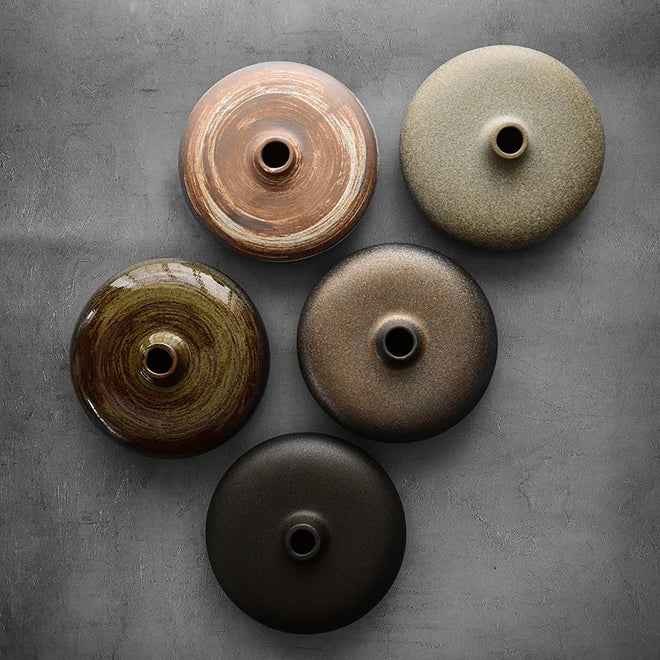
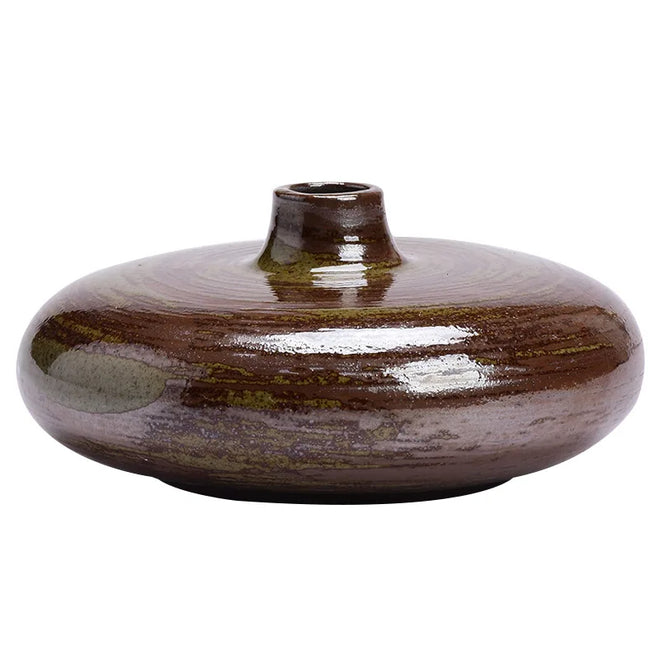
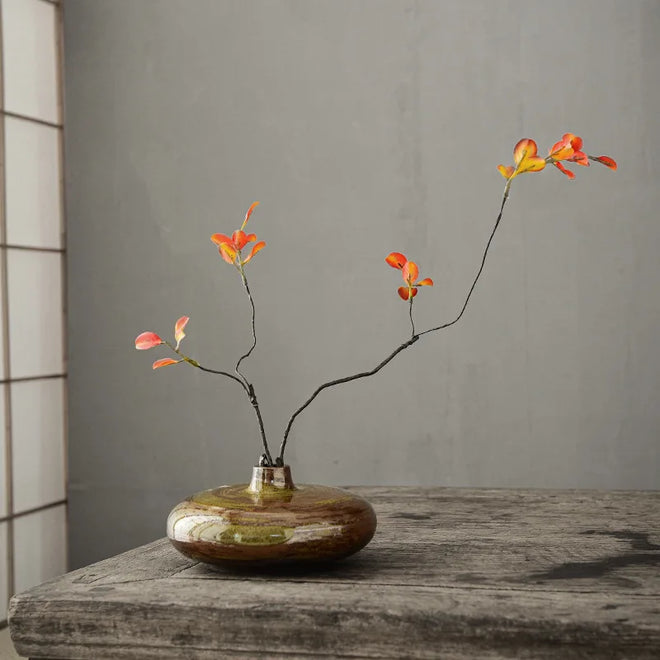
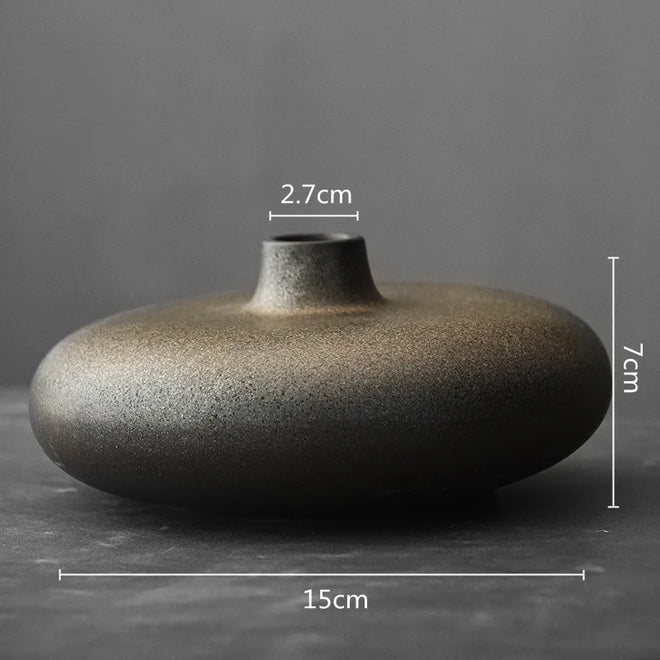
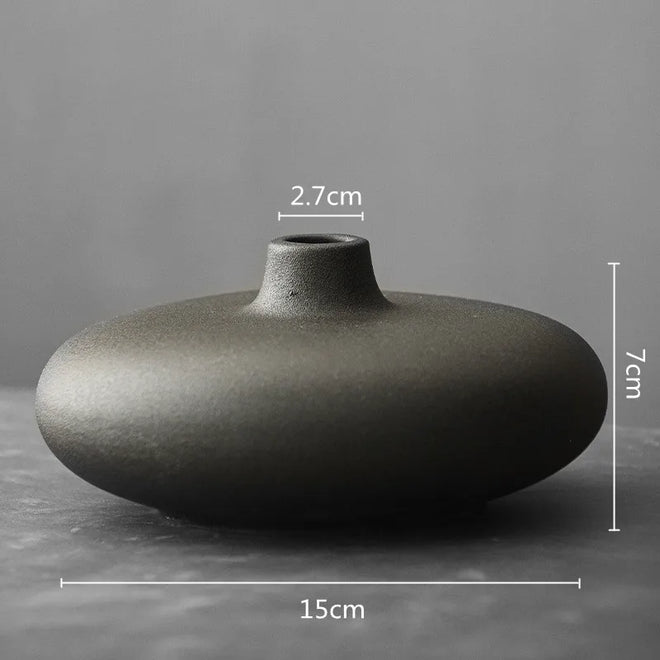
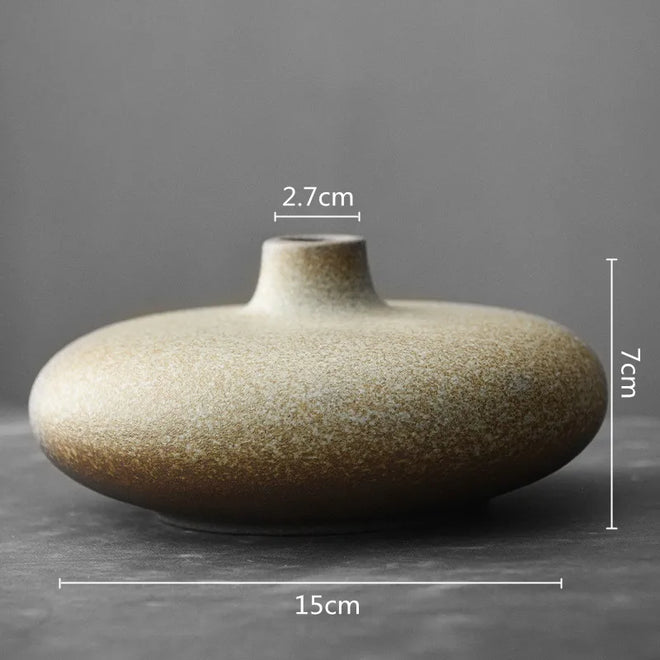
Hard surfaces prevent a room from feeling too plush and one-dimensional. These are your wood, metal, glass, and ceramic elements. A wooden side table, metal lamp base, or ceramic vase all count.
The contrast between soft and hard textures is what creates visual interest. Your eye moves between the rough wood grain and the smooth velvet pillow. This movement makes the room feel dynamic.
Look at your existing furniture. Do you have wooden side tables? A metal bookshelf? A glass coffee table? These are your hard texture anchors. If you're missing hard surfaces, add them through small accents: a wooden box on the shelf, a metal plant stand, or ceramic vases.
Mixing Patterns and Textures in Interior Design Without Clashing
Pattern and texture are different, but they work together. A patterned pillow has texture. A textured pillow might have a subtle pattern. When you mix both, follow these rules to avoid overwhelming the space.
The Balance Rule: Rough and Smooth
For every rough texture you add, balance it with something smooth. Rough textures include woven rugs, chunky knits, burlap, and raw linen. Smooth textures include velvet, leather, polished wood, and silk blends.
A living room with a shag rug (rough) needs smooth elements to feel balanced. Pair it with a sleek sofa, smooth throw pillows, or a glass coffee table. Without this balance, the room feels chaotic. With it, the space feels intentional.
Think of it like a visual rhythm. Rough, smooth, rough, smooth. Your eye should move comfortably through the room without landing on too many competing textures in one spot.
Pattern Mixing Without Overwhelming the Space
Patterns add personality, but too many patterns fight for attention. The rule is simple: use one bold pattern and support it with subtle patterns or solid textures.
If you choose a patterned throw pillow with geometric shapes, keep your other pillows in solid textures, a plain linen cover or a textured wool. The bold pattern gets to be the star. The solid textures support it without competing.

For a more adventurous approach, use two complementary patterns if they share a color palette. A striped pillow and a geometric pillow work together if both are in cream and gray tones. The shared colors create cohesion even though the patterns are different.
Neutral Living Room Texture Ideas for Timeless Appeal
Neutral textures never go out of style. They're the foundation of every well-designed living room because they let you change accents without redoing everything.
Light Luxury Soft Woven Woolen Throw Pillow Covers →
Cream, beige, gray, and soft white are your neutral base. Within these colors, layer different textures: a cream velvet pillow, a beige linen pillow, a gray wool blanket, and a light wood side table.
Neutral textures work in any design style, modern, traditional, coastal, or bohemian. They're also practical for renters who can't paint walls or make permanent changes. You can transform a rental living room entirely with throw pillows, rugs, and blankets in neutral textures.
The Cream & Greige Wabi-Sabi Fringed Throw Pillow Covers from The Finishing Touch Decor feature a luxurious polyester blend with fringed edges that add texture and movement.
Specific Texture Combinations That Work
Real combinations beat abstract advice. Here are proven texture pairings that create visual depth and balance.
Velvet, Linen, and Wool Together
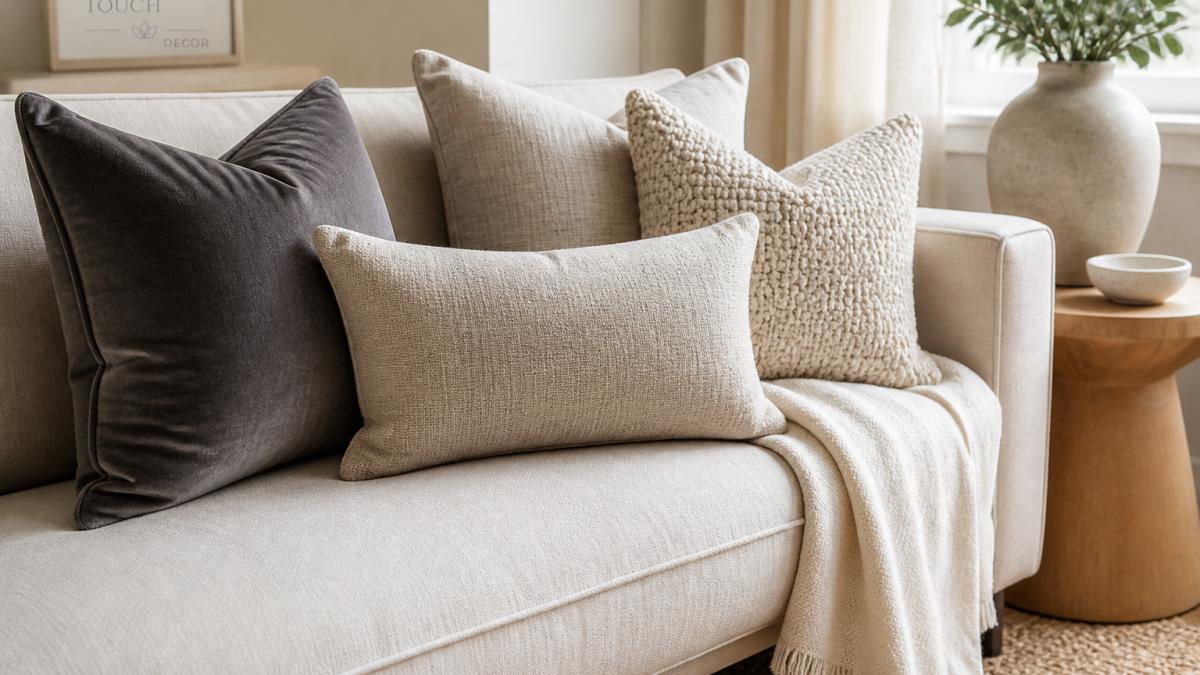
This combination is a classic for good reason. Velvet is soft and light-reflective. Linen is textured and matte. Wool is warm and dense. Together, they create a living room that feels both luxurious and approachable.
On a sofa, use one velvet pillow as your statement piece. Add one linen pillow in a similar neutral tone. Drape a wool throw blanket over the arm. The three textures work together without competing.
This combination works in small spaces because it creates visual interest without feeling crowded. Each texture is distinct, so your eye can appreciate the layering.
Wood, Metal, and Woven Elements
Hard surfaces anchor soft textures. A wooden side table, metal lamp base, and woven basket create a grounded, intentional look.
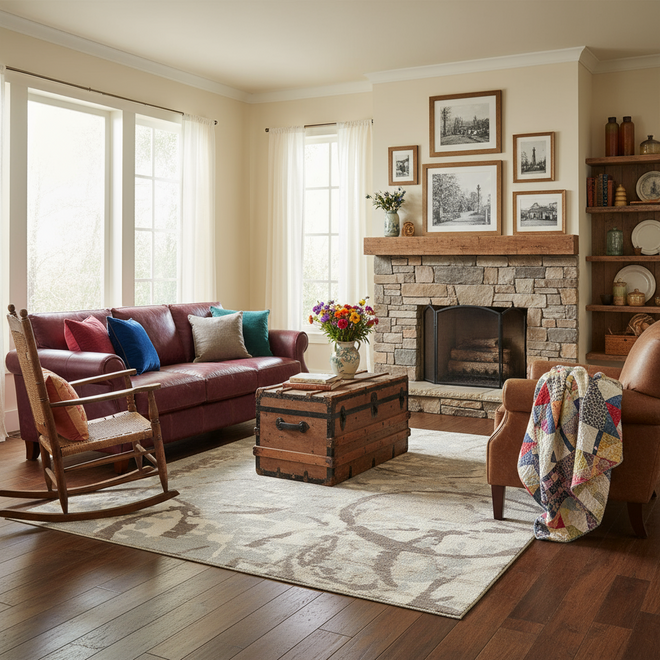
Use these hard textures to break up soft surfaces. If your sofa is upholstered in a soft fabric, place a wooden coffee table in front of it. Add a metal floor lamp nearby. Put a woven basket beside the chair for storage. These elements prevent the room from feeling too plush and one-dimensional.
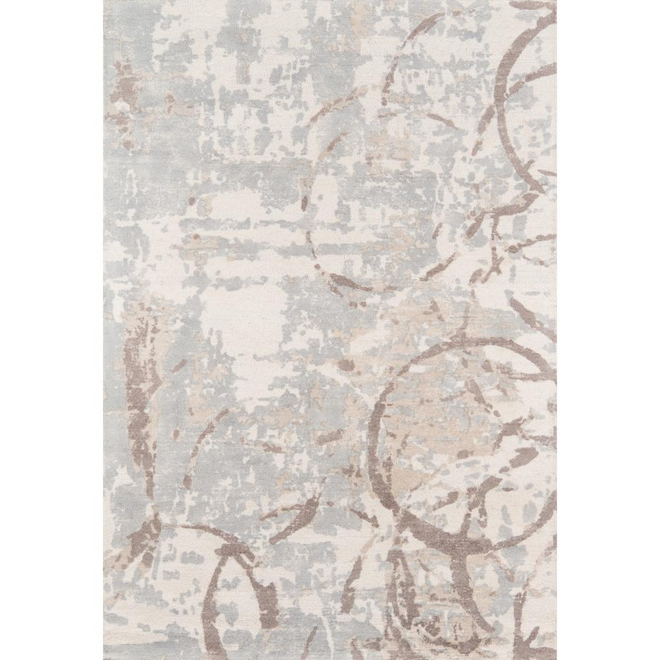
The Irregular Wave New Zealand Wool Area Rug pairs beautifully with wood furniture because the natural fibers in the rug echo the organic quality of wood. The non-slip backing keeps it anchored while you layer soft pillows and blankets on top.
Natural Fibers for Warmth and Depth
Natural fibers, wool, linen, cotton, jute, and sisal, create warmth that synthetic materials can't match. A room filled with natural fiber textures feels inviting and grounded.
Layer natural fiber rugs, pillows, and blankets. A jute area rug topped with a wool throw, flanked by linen pillows, creates a cohesive natural palette. Add wooden furniture to reinforce the organic feel. This approach works beautifully in bohemian, coastal, and farmhouse styles.
The Textured Neutral Linen Cotton Throw Pillow Covers from The Finishing Touch Decor are crafted from a premium linen-cotton blend. They bring authentic natural fiber texture to any sofa while remaining durable enough for everyday use.
Common Mistakes to Avoid When Mixing Textures
Most texture-mixing failures come from the same mistakes. Knowing what to avoid saves you time and money.
Too many competing textures in one spot. A sofa piled with six different pillow textures looks chaotic, not curated.
Forgetting to balance rough and smooth. A room full of plush, soft textures feels overwhelming.
Choosing textures that don't work with your lighting. A matte linen pillow looks dull in dim lighting.
Ignoring scale and proportion. A tiny accent pillow next to a massive sofa looks lost.
Sticking too rigidly to one style. Texture mixing is about balance, not perfection. A modern room can have one bohemian woven pillow.
Creating a living room with layered, mixed textures is one of the most effective ways to add personality and depth to your space.
Frequently Asked Questions
How do you mix different textures in a living room without making it feel busy?
Start with a neutral color palette as your anchor, then layer textures by grouping similar materials together. Combine one rough texture (like a jute rug) with smooth elements (velvet pillows) and matte finishes (linen throws). Limit yourself to 3-4 dominant textures per room. This creates visual depth without overwhelming the space. The key is repetition, use the same texture in different areas to tie the room together.
What textures work best in a neutral living room?
Neutral living room texture ideas include wool, linen, cotton, jute, leather, and natural wood. These materials create warmth and dimension while staying cohesive. Combine a soft woolen throw pillow with a smooth linen accent chair, add a textured area rug, and incorporate natural wood furniture pieces. Matte and woven finishes add subtle visual interest without bright colors. This approach works especially well for renters and those seeking a timeless look.
How do you balance soft and hard surfaces in a living room?
Soft surfaces include upholstery, throw pillows, blankets, and area rugs. Hard surfaces are wood, metal, glass, and stone. Aim for roughly equal visual weight, if your sofa is plush and soft, balance it with a solid wood coffee table and metal accents. Use throw pillows and blankets to soften hard seating, and add wood or metal frames to textile pieces. This contrast creates dimension and prevents the room from feeling either too rigid or too heavy.
Can I use texture mixing ideas if I'm renting and can't make permanent changes?
Absolutely. Renter-friendly texture mixing focuses on removable items like throw pillows, area rugs, blankets, and wall art. An area rug anchors the space and adds texture underfoot without damaging floors. Throw pillows and blankets layer onto existing furniture, and wall art adds visual interest without permanent installation. These pieces move with you, so you can build your texture strategy with items that transition to your next home.