

Table of Contents
- Why Renter-Friendly Bathroom Storage Matters
- No-Drill Bathroom Storage Ideas That Protect Your Deposit
- Small Bathroom Storage Hacks for Tight Spaces
- Temporary Bathroom Storage Solutions Under $100
- Stylish Storage That Doubles as Decor
- How to Manage Moisture and Humidity in a Rental Bathroom
- Building a Budget-Friendly Storage Plan
- Conclusion
- Frequently Asked Questions
Last Updated: September 17, 2026
Why Renter-Friendly Bathroom Storage Matters
Affordable bathroom storage hacks for renters solve a problem homeowners rarely face: you need more room, but you can't drill, tile, or remodel your way out of it. At The Finishing Touch Decor, LLC, we hear this constantly from customers who love their apartments but hate the bathroom's lack of space. The average rental bathroom gives you a vanity, a toilet, and maybe a medicine cabinet, then expects you to fit towels, toiletries, cleaning supplies, and a hair dryer into whatever's left.
No-Drill Bathroom Storage Ideas That Protect Your Deposit
No-drill bathroom storage ideas work because they shift the load off your walls and onto surfaces that already exist. The trick is matching the right hardware to the right surface.
Adhesive Hooks and Tension Rods
Adhesive hooks are the workhorse of renter storage. They hold towels, loofahs, and lightweight caddies, and peel off cleanly. The catch most guides skip: they fail on textured walls, fresh paint, and damp tile. Clean the surface with rubbing alcohol, let it dry fully, and press the hook on for a full 24 hours before hanging anything, skip that wait and your hook drops within a week.
Over-the-Door and Over-the-Toilet Options
Over-the-door racks and over-the-toilet shelving units are the highest-capacity no-drill options available. An over-the-door rack hangs on the door's top edge and adds shelves for towels, toiletries, or cleaning supplies without touching the wall.
Small Bathroom Storage Hacks for Tight Spaces
Small bathroom storage hacks succeed or fail on one principle: use the space above and below eye level, not the space in front of you. Most rental bathrooms waste the top third of every wall and the full depth of every cabinet, and renters must capture that space without drilling a single hole.
Vertical Organization Without Wall Mounting
Vertical organization is the biggest gain available in a small bathroom, and renters can claim nearly all of it with tension and compression hardware instead of anchors. A tension rod or pole pushes outward against two opposing surfaces, so friction holds the load and nothing penetrates the wall.
Where that works in a rental bathroom:
- Shower and tub alcove: A tension rod spanning the alcove creates an instant shelf for bottles and a second rod higher up holds a hanging caddy. Rubber end caps grip tile; plastic caps slip and scuff.
- Corner floor-to-ceiling pole: A spring-loaded pole wedged between floor and ceiling adds three to four adjustable shelves in a dead corner. Look for a pole with a rubber foot on both ends so it doesn't mar the ceiling texture.
- Over-the-door rack: Hangs on the door's top edge and adds shelves for towels, robes, and cleaning supplies without touching the wall. Check that the door still closes and the brackets clear the stop molding.
- Behind-the-door pocket organizer: A fabric organizer hung from an over-the-door hook holds brushes, hair tools, and small bottles in the otherwise unusable gap behind the door.
- Over-the-toilet unit: Straddles the tank and adds two or three tiers. Measure tank height and ceiling clearance first; most units need roughly 60 to 70 inches of vertical space.
Under-Sink and Cabinet Inserts
Under-sink storage is usually wasted because the drain pipe cuts the cabinet in half. Cabinet inserts fix that: a two-tier sliding drawer fits around the pipe and doubles usable depth, shelf dividers keep bottles upright, and a lazy Susan puts the back row within reach. Stackable risers are the underrated piece, they turn a single shelf into two levels, short bottles on top and taller ones underneath, doubling usable surface without installation.
Temporary Bathroom Storage Solutions Under $100
Temporary bathroom storage solutions under $100 fall into three categories: hanging, stacking, and freestanding. Each installs in minutes, moves with you, and costs less than a month's rent increase.
| Solution | Typical Cost | Install Time | Best For |
|---|---|---|---|
| Adhesive hooks and caddies | Under $25 | 5 minutes | Towels, light toiletries |
| Tension rods | $15-$30 | 2 minutes | Shower shelves, under-sink hanging |
| Over-the-door rack | $30-$60 | 5 minutes | Towels, robes, cleaning supplies |
| Over-the-toilet shelf | $50-$90 | 15 minutes | Bottles, decor, backup supplies |
| Stacking bins and dividers | $20-$50 | 10 minutes | Cabinet and under-sink organization |
Stylish Storage That Doubles as Decor
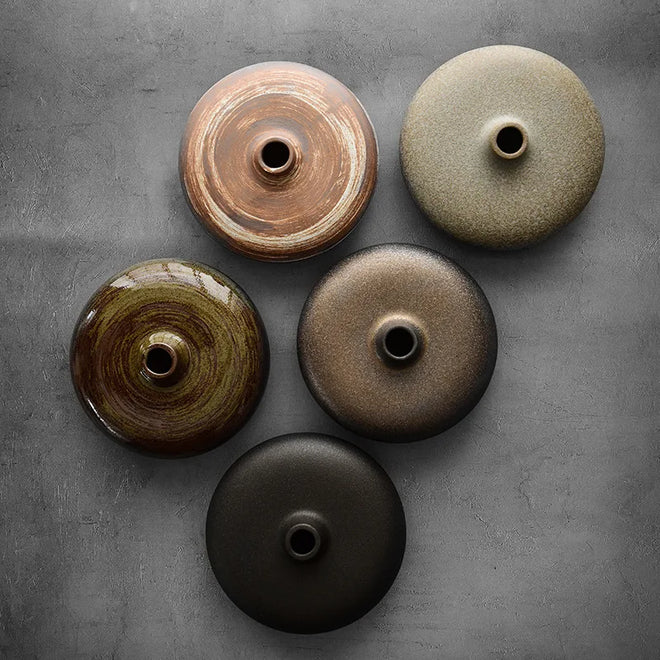
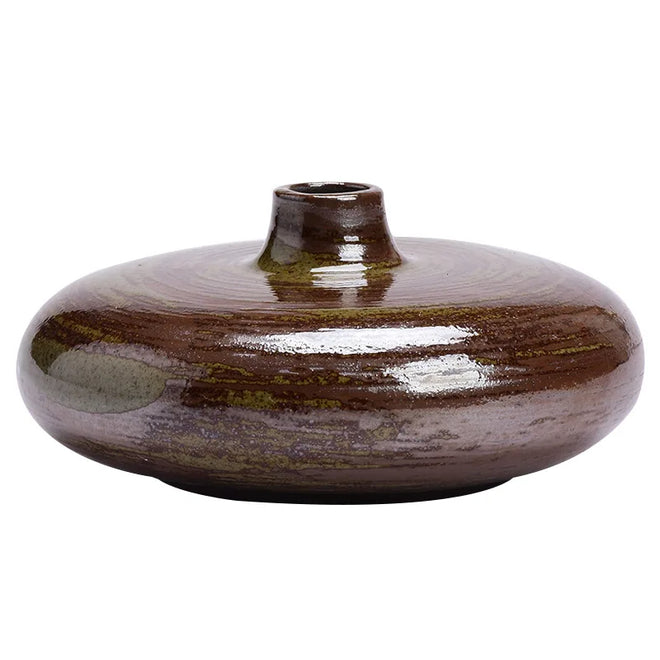
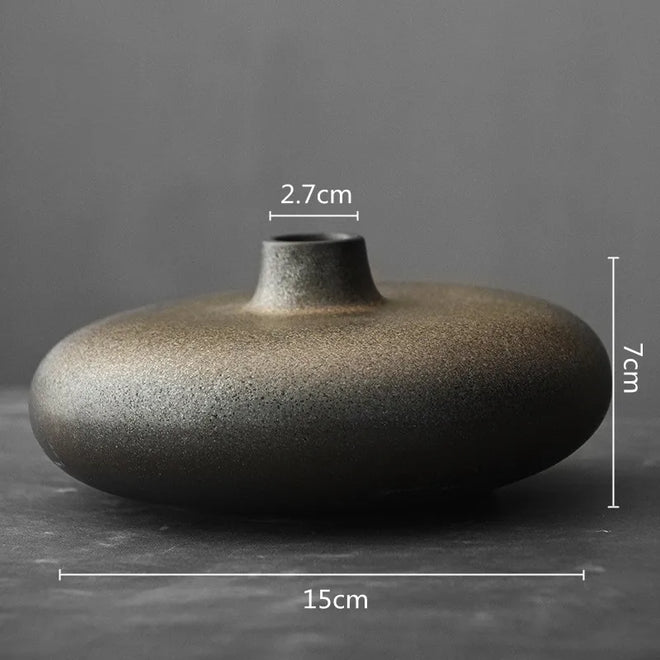
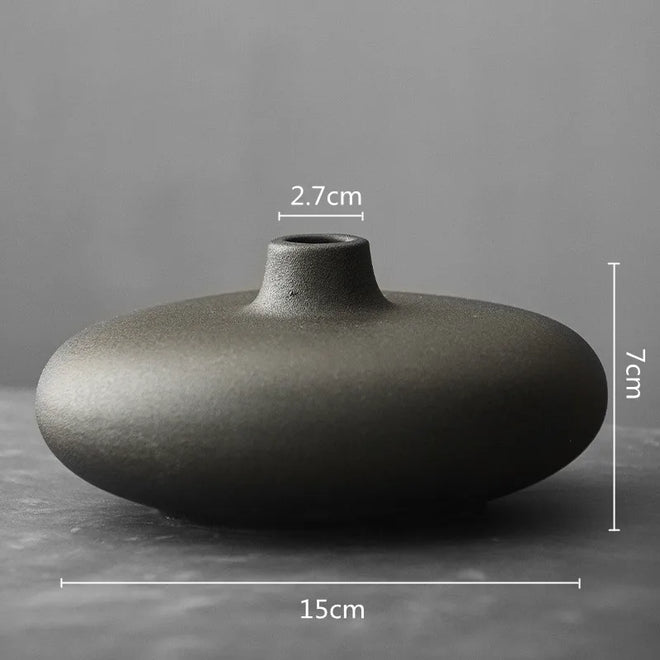
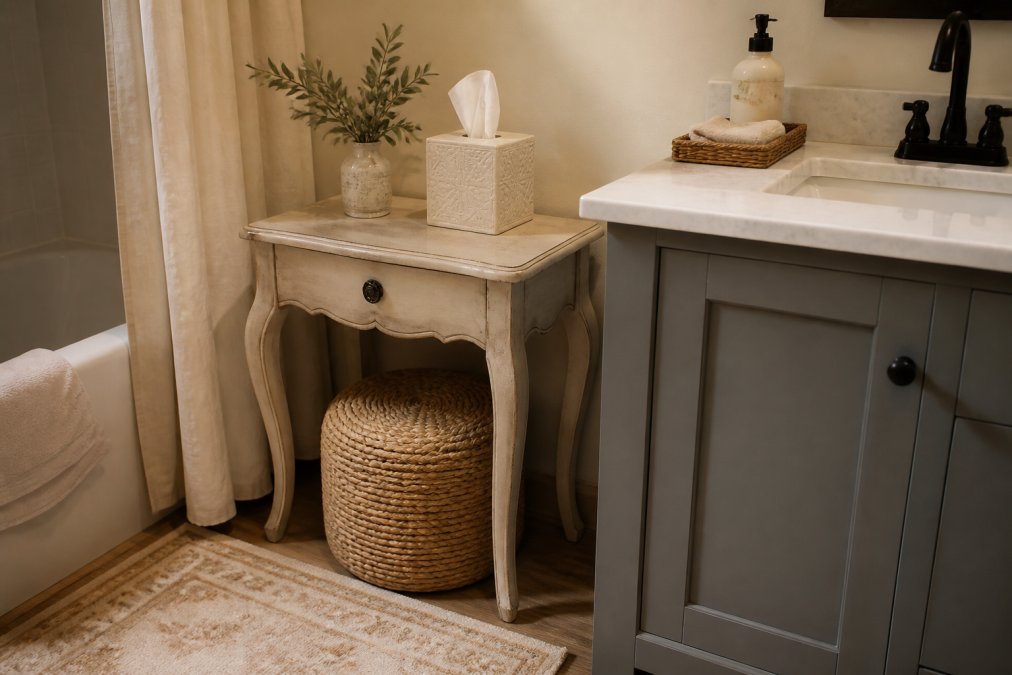
Storage that looks like decor solves two problems at once. A piece that holds your things and improves the room's look earns its floor space.
How to Manage Moisture and Humidity in a Rental Bathroom
Moisture is the silent enemy of rental storage, and it attacks in ways that cost you money at move-out. Windowless bathrooms trap humidity that warps wood, rusts metal, and peels adhesive. Run the exhaust fan during every shower and for 15 to 20 minutes after; if your rental has no fan, crack the door, use a small countertop fan to push air out, and wipe standing water off the floor and vanity after each use.
Upholstered Soft Close Storage Ottoman →
How Humidity Attacks Renter Storage
Each no-drill method has a specific failure mode tied to moisture:
- Adhesive hooks: Heat and steam soften the adhesive bond. A hook rated for 5 pounds in a dry room may hold only 2 to 3 pounds in a steamy shower. Mount them away from direct shower spray, and never hang a wet towel on one.
- Tension rods: Rubber end caps grip better when dry; mineral buildup on tile can reduce friction, so wipe the tile and caps monthly.
- Over-the-door racks: The metal brackets that hook over the door rust first, especially on painted steel. Powder-coated or stainless brackets resist rust far better.
- Freestanding units and baskets: Moisture trapped between a unit's base and the floor is where mold starts. Lift freestanding pieces monthly and let the floor dry.
- Fabric organizers: Natural fibers like cotton and jute absorb moisture and can develop mildew; synthetic fabrics dry faster in a humid bathroom.
Material Choices That Survive a Humid Rental
Material choice matters as much as ventilation. Moisture-resistant options include ceramic and porcelain containers, powder-coated metal racks, synthetic leather and sealed wood over unfinished particleboard, woven natural fibers kept away from splash zones, and sealed bamboo. Avoid storing paper goods, unsealed wood, and fabric directly under the sink or against a shower wall, a common mistake is tucking spare toilet paper under the sink where a slow drip goes unnoticed for months, ruining the roll and staining the cabinet floor.
Protecting Your Deposit From Moisture Damage
Humidity damage is one of the most common reasons landlords withhold part of a security deposit, and most of it is preventable.
- Photograph the bathroom before you install anything. Note existing water stains, peeling paint, or soft spots around the toilet base, photos protect you from being charged for pre-existing conditions.
- Keep freestanding units off the floor if the room floods. A cheap plastic riser or rubber feet keeps a wooden unit's base out of standing water.
- Check behind over-the-toilet units monthly. The tank can sweat in humid weather, and moisture trapped between the unit's legs and the wall or floor is where damage starts.
- Remove adhesive hooks carefully at move-out. Warm the adhesive with a hair dryer on low, then pull the tab slowly and parallel to the wall; pulling straight out can take paint with it.
- Report leaks immediately in writing. A slow drip you document and report is the landlord's repair; one you ignore can become your charge.
Building a Budget-Friendly Storage Plan
A storage plan beats a shopping spree every time. Renters who buy piece by piece end up with mismatched bins and duplicate hooks; a short plan prevents that.
- Audit what you actually store. Empty the vanity and cabinet. Group items by type: daily toiletries, backup supplies, cleaning products, towels.
- Measure every surface. Cabinet interior, wall space above the toilet, door width, and floor clearance beside the vanity.
- Assign each group a zone. Daily items at eye level, backups high or under the sink, cleaning supplies behind a door.
- Buy in order of impact. Adhesive hooks and tension rods first, then cabinet inserts, then furniture.
- Protect surfaces as you install. Felt pads, rubber bumpers, and removable adhesive strips cost little and prevent damage.
- Reassess after two weeks. If a zone isn't working, move it before you buy something new.
Conclusion
The hardest part of rental bathroom storage isn't finding space. It's finding solutions that come out as cleanly as they went in. Every method here, from adhesive hooks to freestanding furniture, respects that constraint.
Frequently Asked Questions
How can I add storage to a small bathroom without drilling holes?
Use tension rods inside the shower for hanging bottles, adhesive hooks on tile or glass for towels and loofahs, and over-the-door organizers for the back of the bathroom door. Freestanding shelving units and over-the-toilet racks also add storage without any drilling. These no-drill bathroom storage ideas keep your security deposit safe while adding functional space.
What are the best renter-friendly bathroom organization ideas?
Start with vertical organization: stack baskets on shelves, use stackable bins inside cabinets, and hang a shoe organizer on the door for toiletries. Add a small rolling cart between the vanity and wall for extra surface area. Cabinet inserts and shelf dividers keep items tidy. These temporary bathroom storage solutions cost little and move with you when your lease ends.
How do you organize a bathroom with no cabinets?
Use freestanding furniture like a slim accent table with a drawer and shelf, or a small storage bench. Over-the-toilet racks add shelves above the fixture. Adhesive hooks and tension rods create hanging space on walls and in the shower. Baskets and bins on open shelves keep items contained and looking neat, even without built-in cabinetry.
Are over-the-toilet storage units safe for rentals?
Most over-the-toilet units are freestanding and lean against the wall without mounting hardware, so they are safe for rentals. Check that the unit has rubber feet or wall straps to prevent tipping. Avoid models that require drilling into tile or drywall. A sturdy freestanding rack adds significant storage capacity without permanent changes.
What are the best budget-friendly materials for bathroom storage?
Look for moisture-resistant materials like coated wire, plastic, bamboo, and sealed wood. Ceramic and porcelain accessories, such as a ceramic tissue box cover, hold up well in humid rooms. Fabric bins work for dry storage but avoid them in the shower area. These materials balance cost, durability, and style for a budget-conscious renter.